
Forum Replies Created
-
AuthorPosts
-
 Michael LerchParticipant
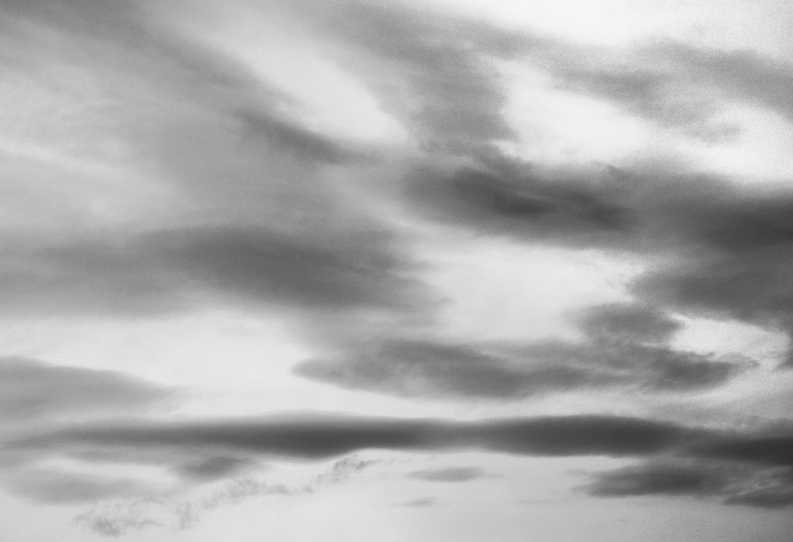
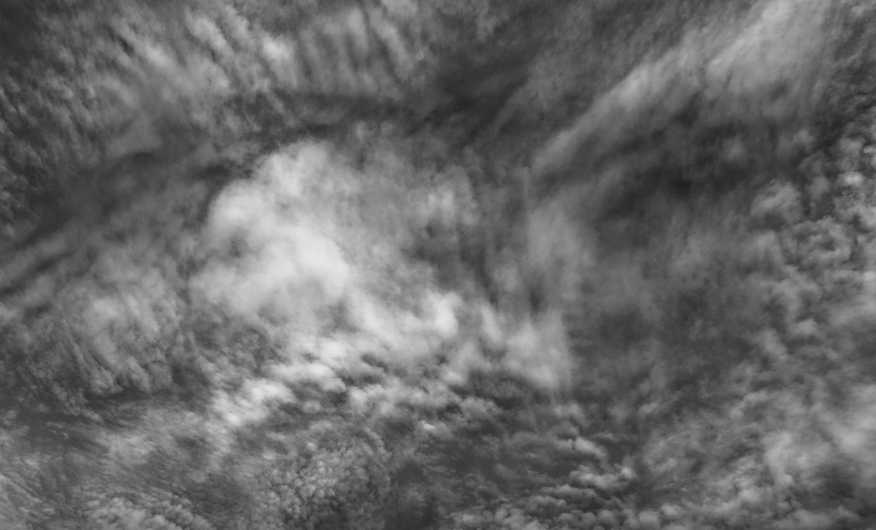
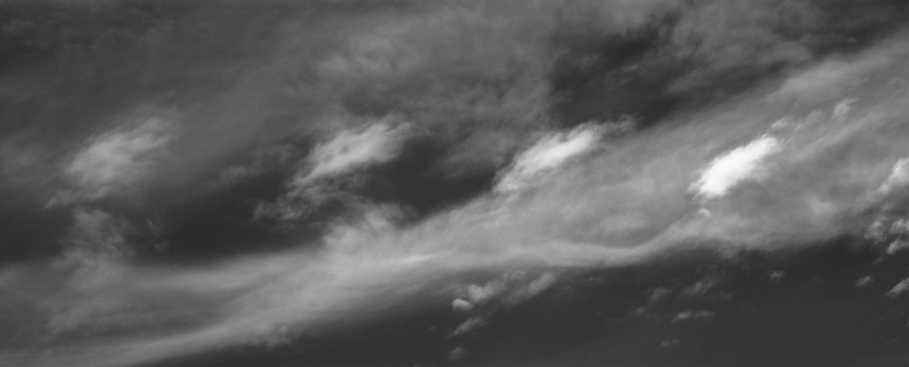
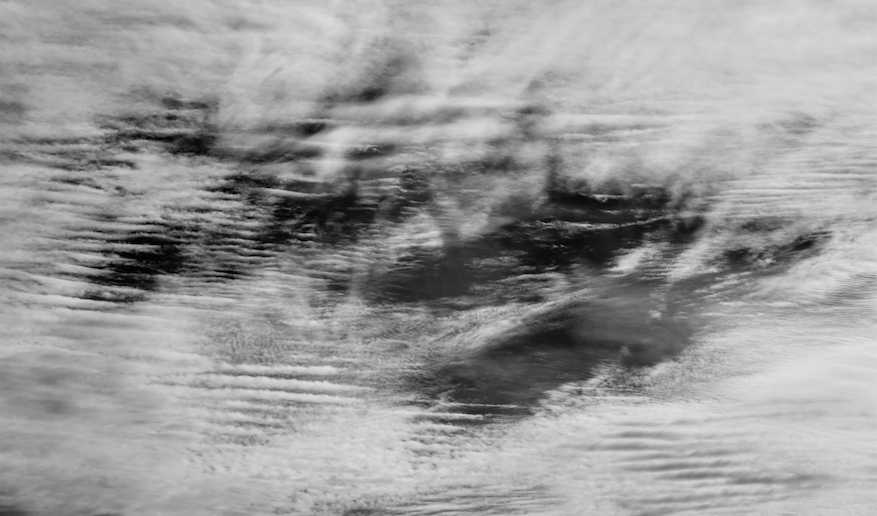
Arizona B&W#175
 Michael LerchParticipant
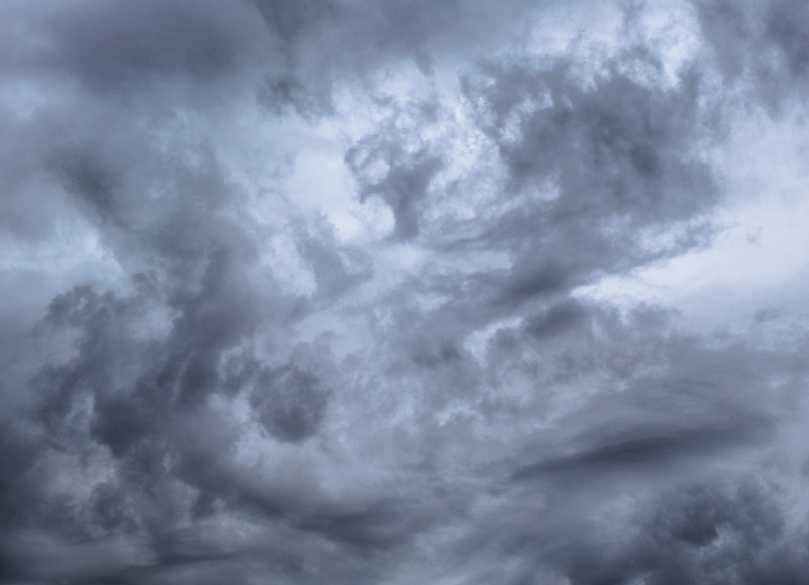
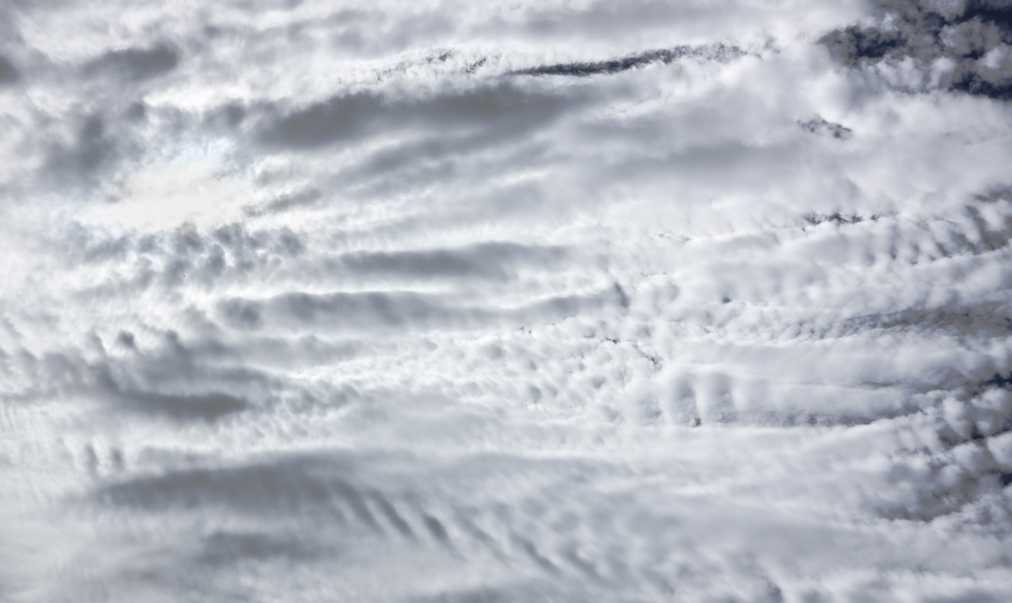
Arizona Color#818
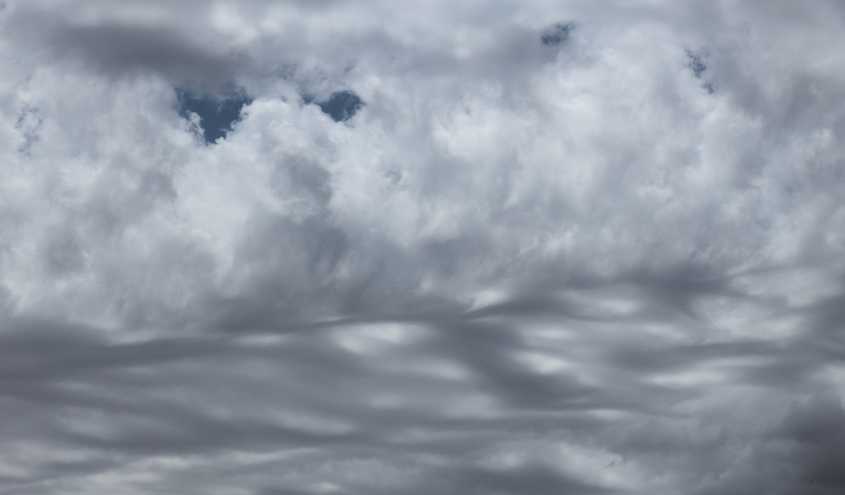
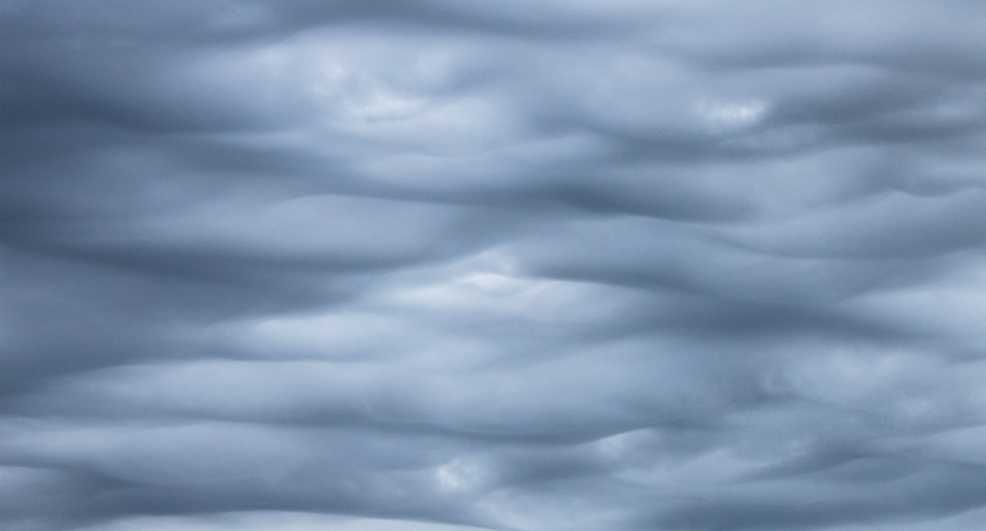
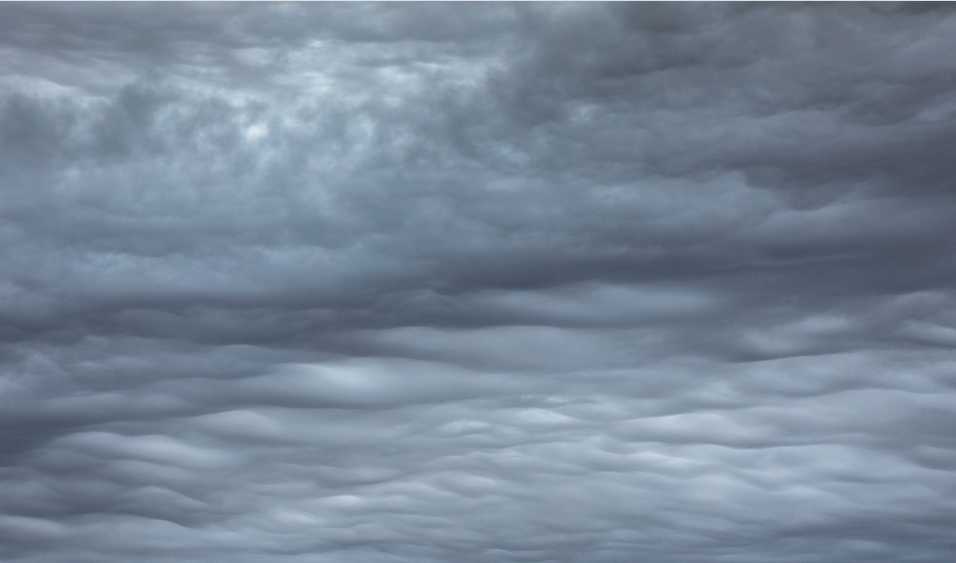
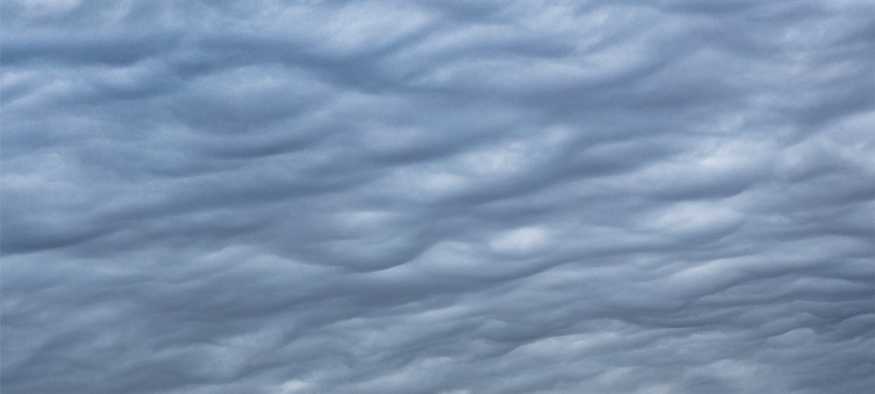
Michael LerchParticipantArizona Asperitas#762
Michael LerchParticipantGo ask Alice..
Arizona B&W#174
Michael LerchParticipantLuv your Drift Keelin!
Arizona Color#817
Michael LerchParticipantIts great when normal life gets interrupted by a cloud phenomena! Nice capture Hans!
Arizona Asperitas#761
Michael LerchParticipantArizona Color#816
Michael LerchParticipantArizona Cloudscape#322
Michael LerchParticipantArizona B&W#173
Michael LerchParticipantArizona Asperitas#760
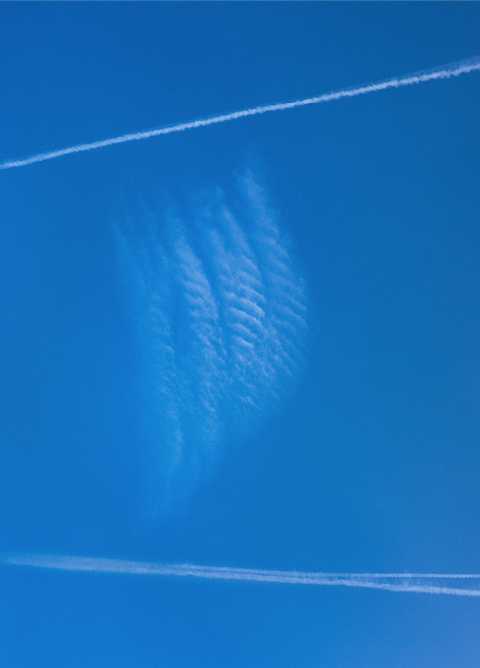
Michael LerchParticipantArizona Contrail#52
Michael LerchParticipantArizona Color#815
Michael LerchParticipantArizona Asperitas#759
Michael LerchParticipantHans, yes, grey tones buried in the dark reveal them selves with judicial use of LR ‘clarity”. The Canon 6D camera has a CMOS that is more sensitive to the Infra Red part of the spectrum. Astronomers like the camera because it picks up so much of the unseen in the Universe around us. When shooting clouds with it and the processing the photos, its almost like magic to watch the invisible come to light with “Clarity”
Arizona B&W#172
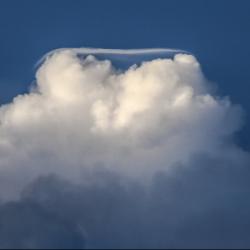
Michael LerchParticipantDonnatella,,Yes wind is the tell on the identity of the cloud phenomena you photographed. The lower dark clouds show being shaped and pushed by the wind. So is the lenticular cloud formed by wind. Pileus is the product of a cloud, generally a fast rising cumulonimbus or convectus , compressing the moisture out of the atmosphere above. So winds tend not to make pileus as much as fast and furious rising columns . Winds actually destroy the delicate veil like mist created by compression.
-
AuthorPosts