
Forum Replies Created
-
AuthorPosts
-
 Michael LerchParticipant
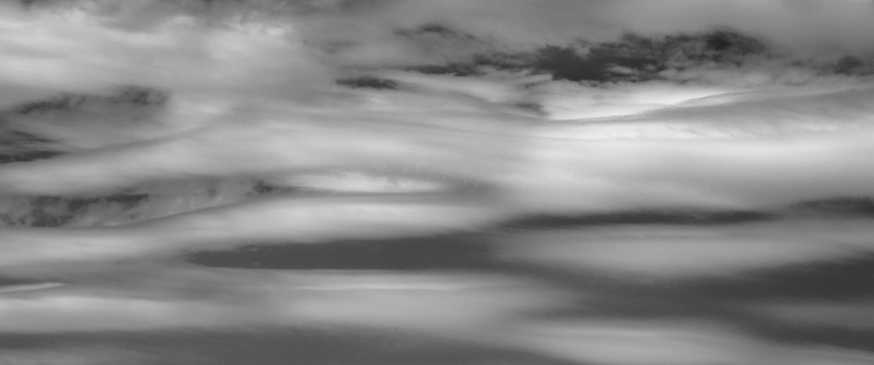
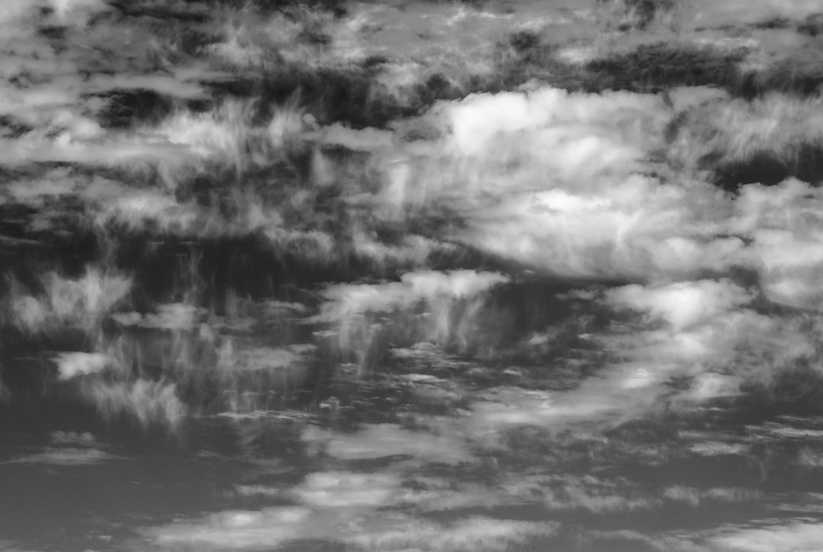
Arizona B&W#162
 Michael LerchParticipant
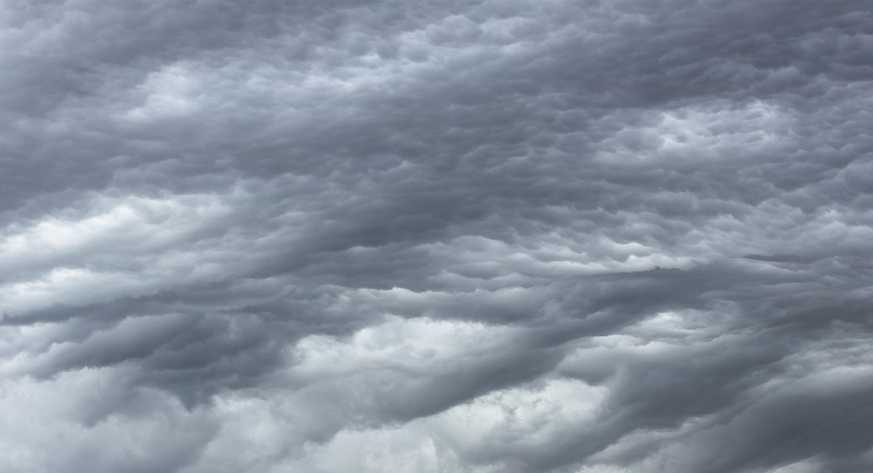
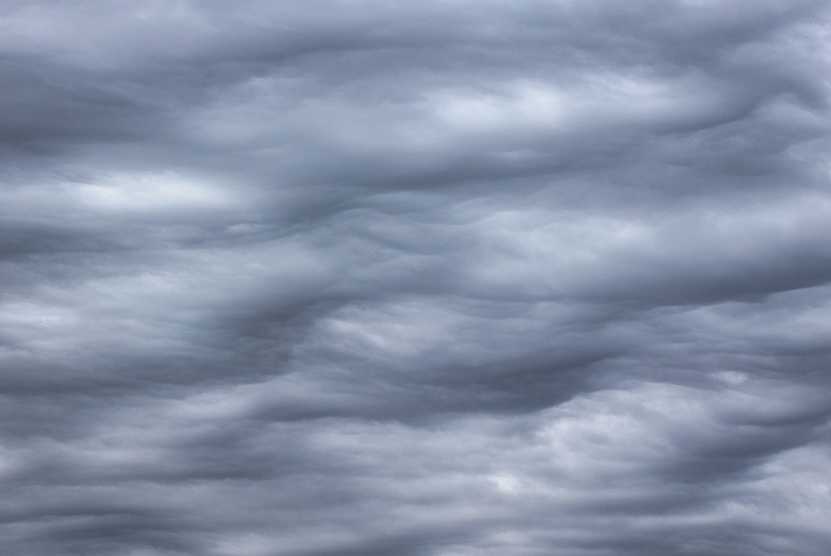
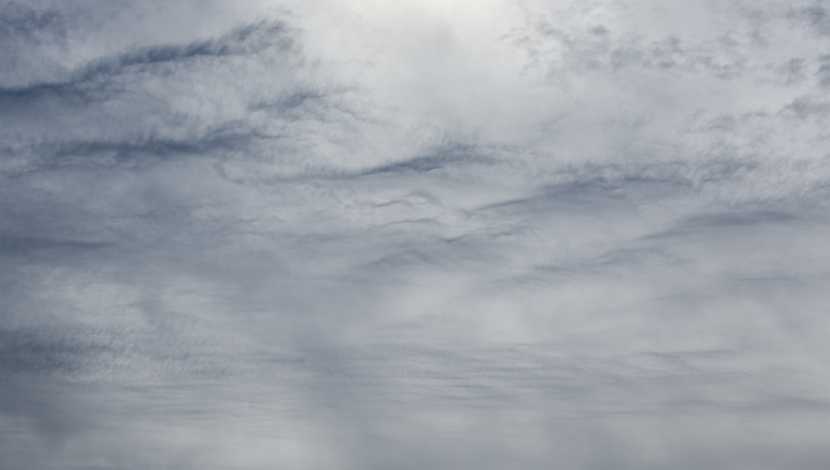
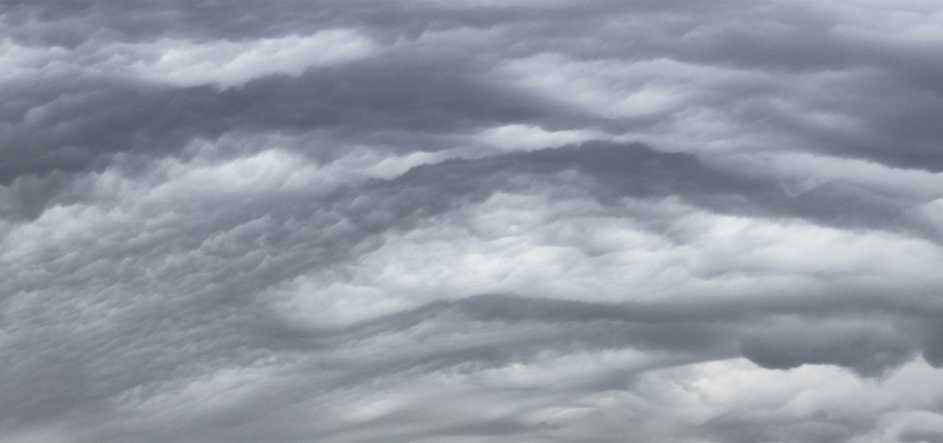
Arizona Asperitas#750
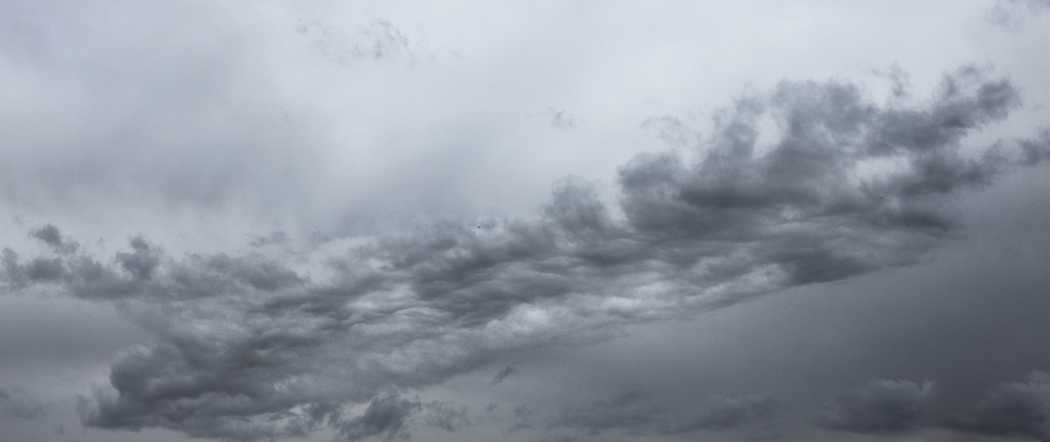
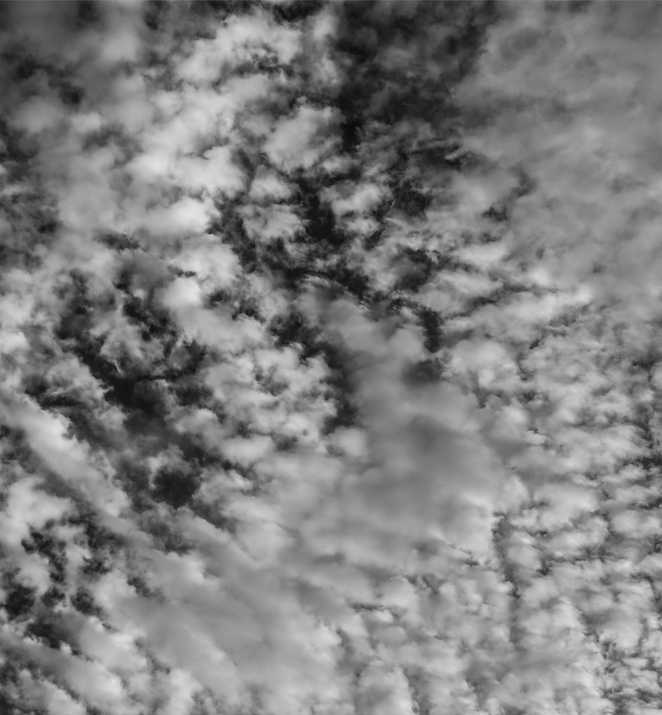
Michael LerchParticipantI think that is a shot of cumulus humilis..base is broader than it is tall. imho, they are not “broken up” to be fractus.
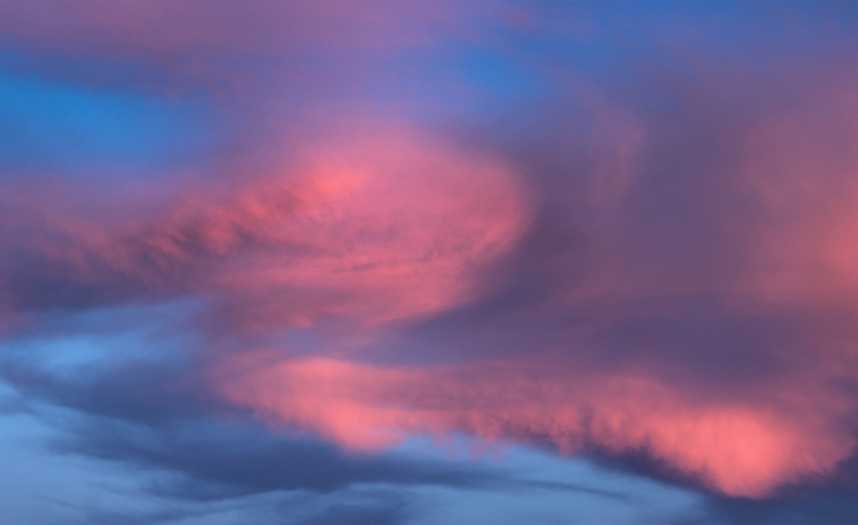
The Carlsbad sunset shots look like stratus that, at that edge, show undulatus which indicate differing air currents and that maybe why a segment of the stratus has torn away from the main body. At that area, air currents are tearing apart the stratus.
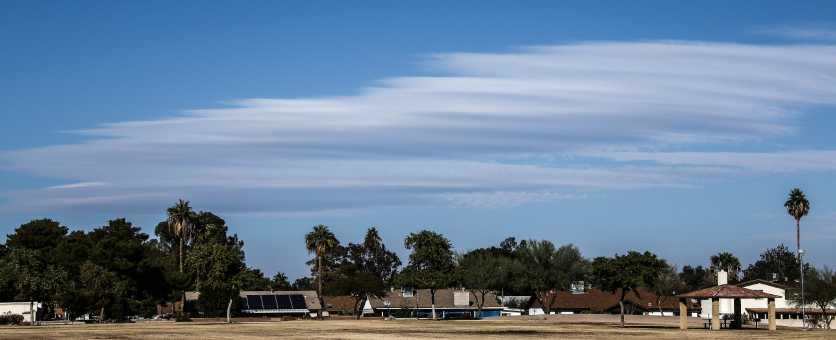
Michael LerchParticipantArizona Color#802
Michael LerchParticipantArizona B&W#161
Michael LerchParticipantGreat Asperitas shots Daniel! Yea, Arizona gets the left overs from California et al , if there is any.
Arizona Asperitas #749
Michael LerchParticipantDaniel, Very nice Asperitas photo! Lighting of Asperitas really makes a difference.
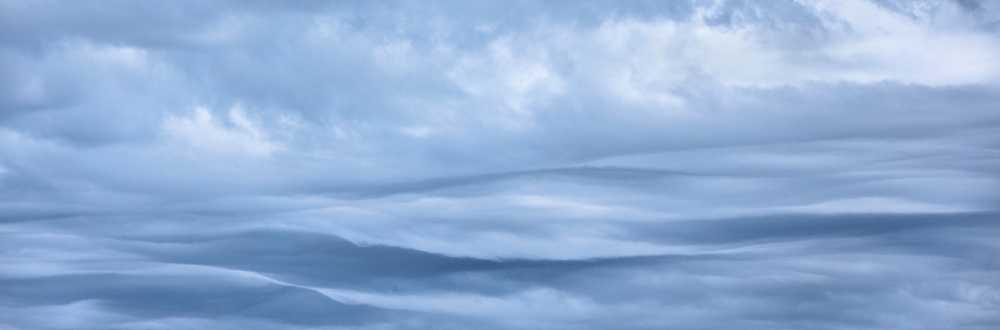
Its my observation that the Valley of the Sun , Phoenix Az, has physical characteristics and due to its location, southeast of the Sierra Nevadas , combine to make it well situated to be a place to witness Asperitas. Weather fronts come down the Pacific coast and then try to go inland dumping most of their moisture in the mountains of California. When the fronts are strong enough, they make it over the mountains and bring their moisture to the desert. The energy to accomplish that is usually considerable , the fronts sweeping across the desert in a whip lash hurry. So the hurly burly is there , and as well, the compressed layering of cloud is often included. The Valley is like a bowl. The north and east sides being the higher elevations. So as the fronts sweep in, there are forces at work that seem to create Asperitas. I believe every front that sweeps in creates Asperitas somewhere in the Valley. I use to work near the eastern edge of the Valley and that area always had Asperitas if there was a system coming through. It was just a matter of keeping an eye for the event because the speed of systems blowing through the Valley is..quick. I’ve seen blue sky mornings, rainy afternoon and clear starry nightsky all in one day here. Of course the catch is..storms having enough umph to make it over the Sierra Nevadas. Usually they don’t. Thats why we are in a desert here. Looking at the dates of photos over the last few years,, it looks like an Asperitas event once every 6 to 8 weeks . But for some reason December and January have more than average Asperitas. The exception is during the Monsoon season where the weather comes from equatorial Pacific rather than sweeping down from Northern Pacific. I’ve noticed late November,anytime December and January once or twice in February and March with reliable Asperitas production..
Arizona Asperitas#748 This shot is of a rare May event (2019). May usually has no clouds . I consider it a blue sky month.
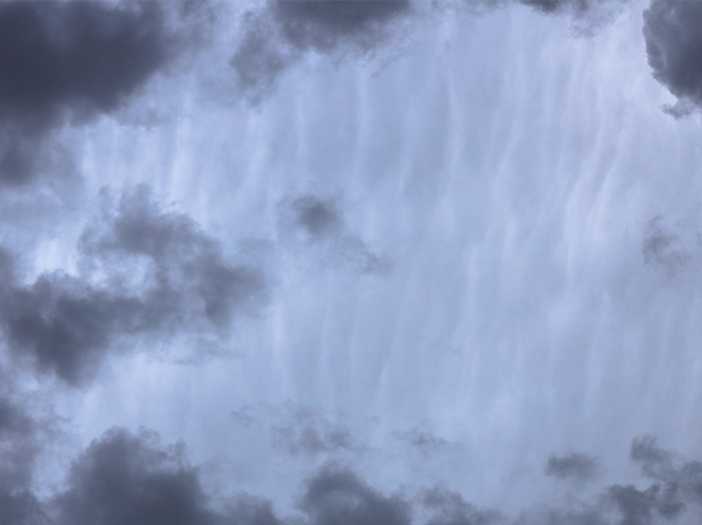
Michael LerchParticipantArizona Color #747
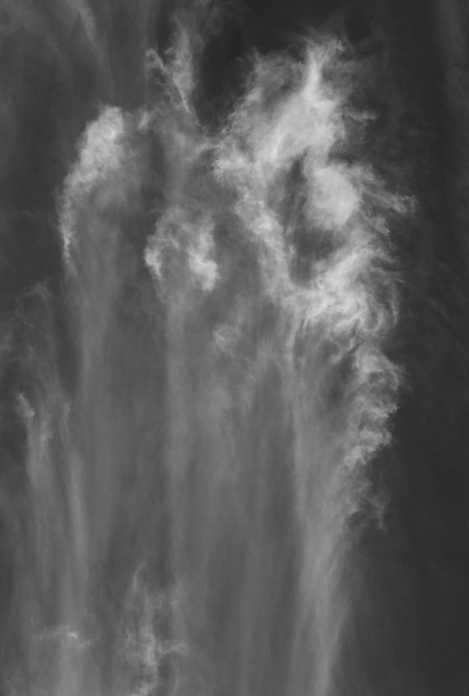
Michael LerchParticipantArizona B&W#160
Michael LerchParticipantArizona Color #746
Michael LerchParticipantNice pastels Gregory!
Arizona Sunset #509
Michael LerchParticipantArizona Asperitas#311
Michael LerchParticipantArizona B&W#159
Michael LerchParticipantArizona Color# 745
Michael LerchParticipantArizona Asperitas# 310
-
AuthorPosts