

Filter By:
Main Cloud Types
- Cumulus
- Stratus
- Stratocumulus
- Altocumulus
- Altostratus
- Cirrus
- Cirrocumulus
- Cirrostratus
- Nimbostratus
- Cumulonimbus
Other Clouds
- Arcus
- Asperitas
- Cap / banner clouds
- Capillatus
- Castellanus
- Cataractagenitus
- Cauda (Tail cloud)
- Cavum (Fallstreak hole)
- Congestus
- Contrail (homogenitus)
- Duplicatus
- Diamond dust
- Distrail
- Fibratus
- Flammagenitus (Pyrocumulus)
- Floccus
- Fluctus (Kelvin-Helmholtz)
- Fractus
- Homogenitus
- Horseshoe vortex
- Humilis
- Incus
- Intortus
- Lacunosus
- Lenticularis
- Mamma
- Morning Glory Cloud
- Murus (Wall cloud)
- Mediocris
- Nacreous
- Nebulosus
- Noctilucent
- Pannus
- Perlucidus
- Pileus
- Praecipitatio
- Radiatus
- Silvagenitus
- Spissatus
- Stratiformis
- 'Supercilium' (not official classification)
- Translucidus
- Tuba / Twister
- Uncinus
- Undulatus
- Velum
- Vertebratus
- Virga
- Volutus (Roll cloud)
Optical Effects
- 22° Halo
- 46° Halo
- Circumhorizon Arc
- Circumscribed halo
- Circumzenithal Arc
- Cloudbow / Fogbow
- Corona
- Crepuscular rays & shadows
- Diffuse arcs
- Green flash
- Glory
- Halos
- Helic arc
- Infralateral arc
- Iridescence
- Lower Sun Pillar
- Lower Tangent Arc
- Moonbow
- Moondogs
- Parhelic circle
- Parry antisolar arcs
- Parry arc
- Parry infralateral arc
- Parry supralateral arc
- Rainbow
- Sub parhelion
- Sub-sun
- Suncave parry arc
- Sun dog (Parhelion)
- Sun pillar
- Supernumerary bows
- Subparhelic circle
- Supralateral arc
- Upper tangent arc
- Wegener arc
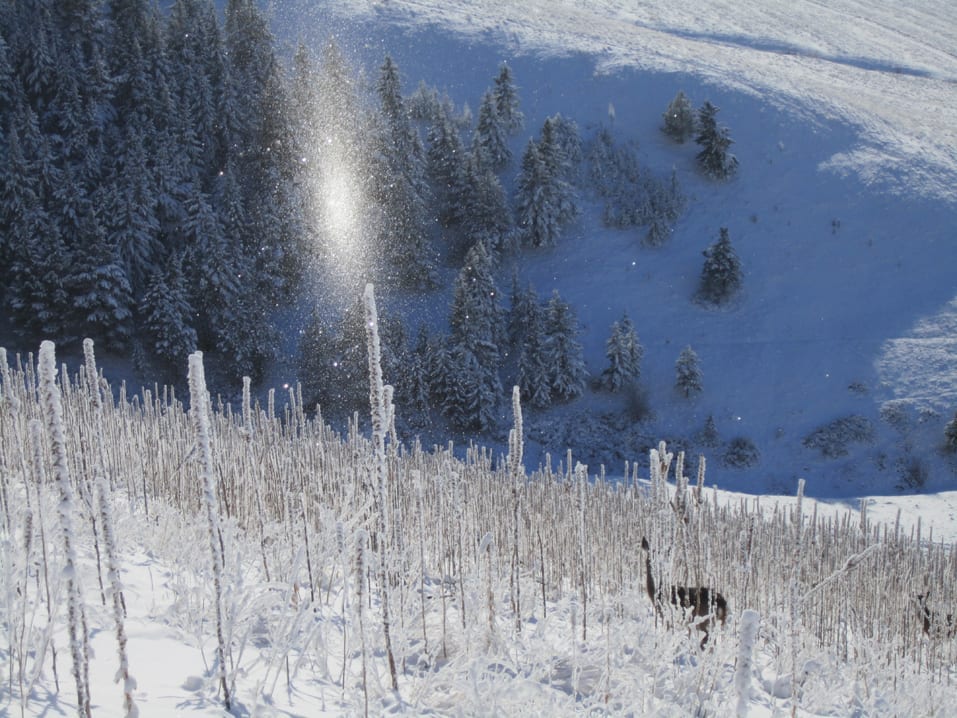
A sub-sun spotted on Mount Sentinel, Missoula, Montana, US.
10 thoughts on “Ron Scholl”
Leave a Reply Cancel reply
You must be logged in to post a comment.
This site uses Akismet to reduce spam. Learn how your comment data is processed.
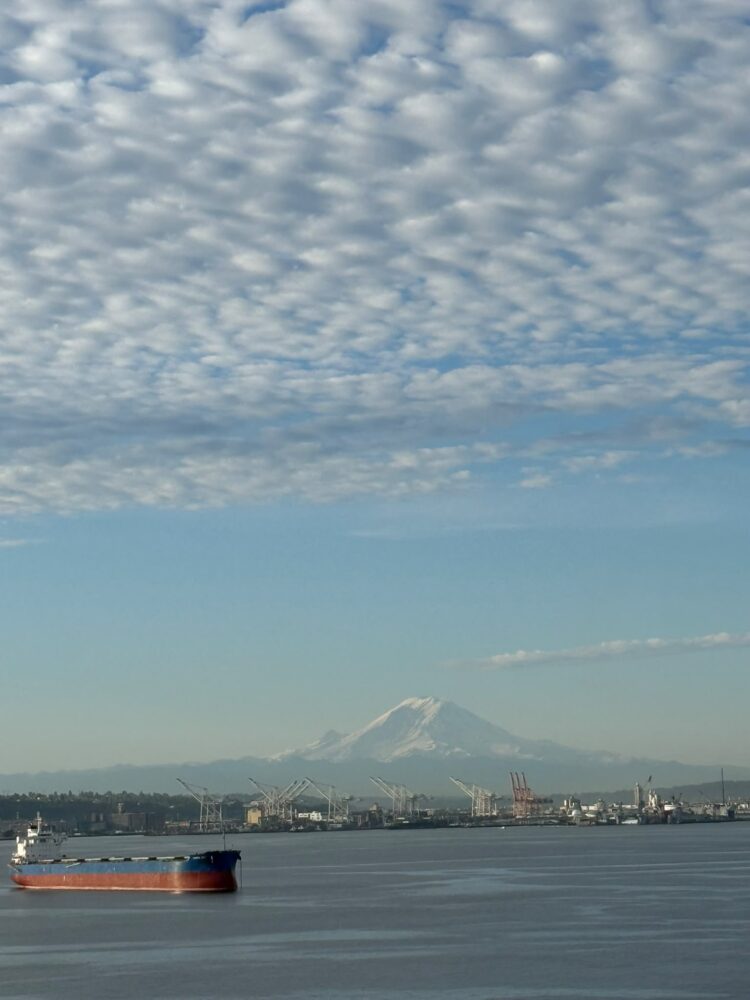
Altocumulus stratiformis spotted by Christiane's daughter, with a view of Mt. Rainier, near Seattle, Washington, US
Leave a Reply Cancel reply
You must be logged in to post a comment.
This site uses Akismet to reduce spam. Learn how your comment data is processed.
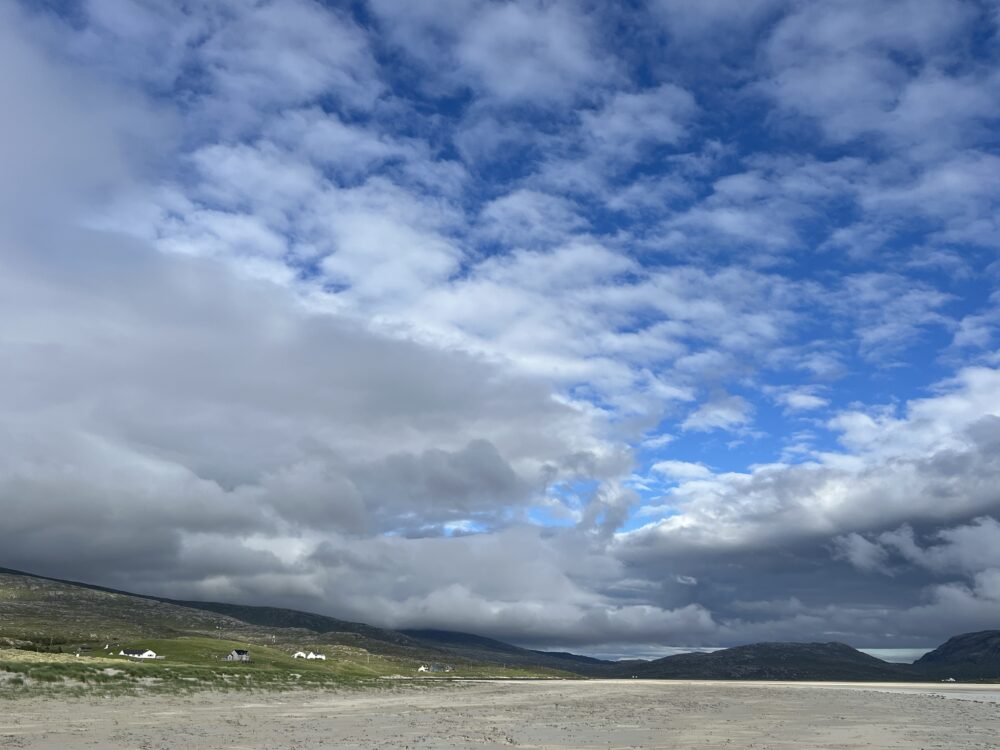
Stratus moving in over Isle of Harris, Scotland
Leave a Reply Cancel reply
You must be logged in to post a comment.
This site uses Akismet to reduce spam. Learn how your comment data is processed.
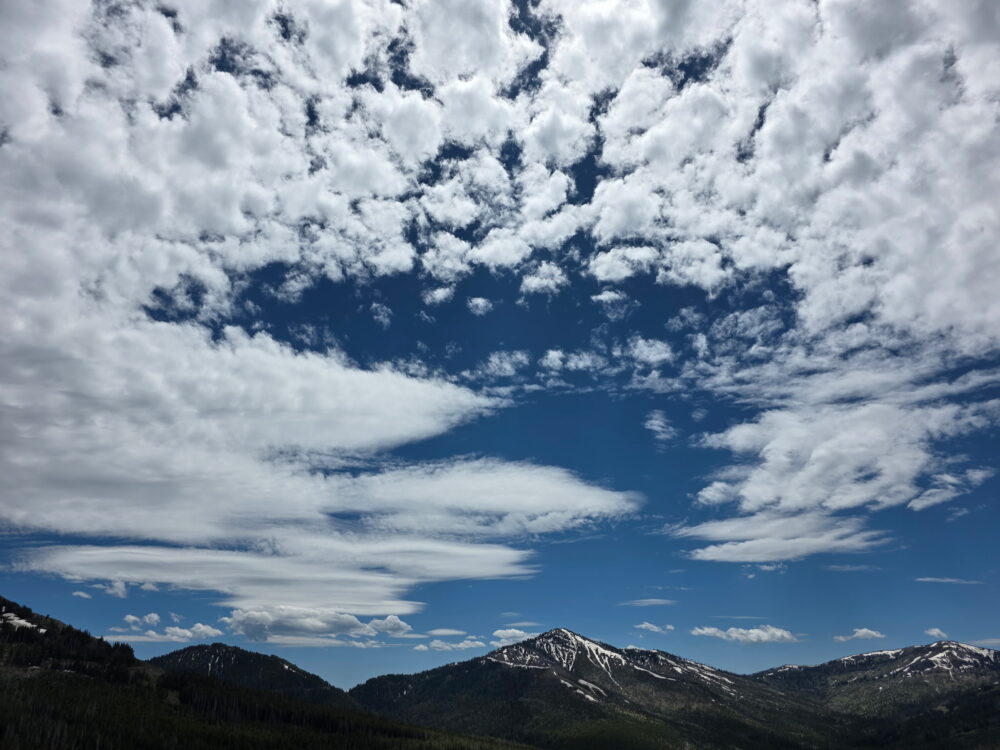
Altocumulus lenticularis and Altocumulus floccus spotted by Nancy's granddaughter, Violet, near Yellowstone National Park, US
Leave a Reply Cancel reply
You must be logged in to post a comment.
This site uses Akismet to reduce spam. Learn how your comment data is processed.
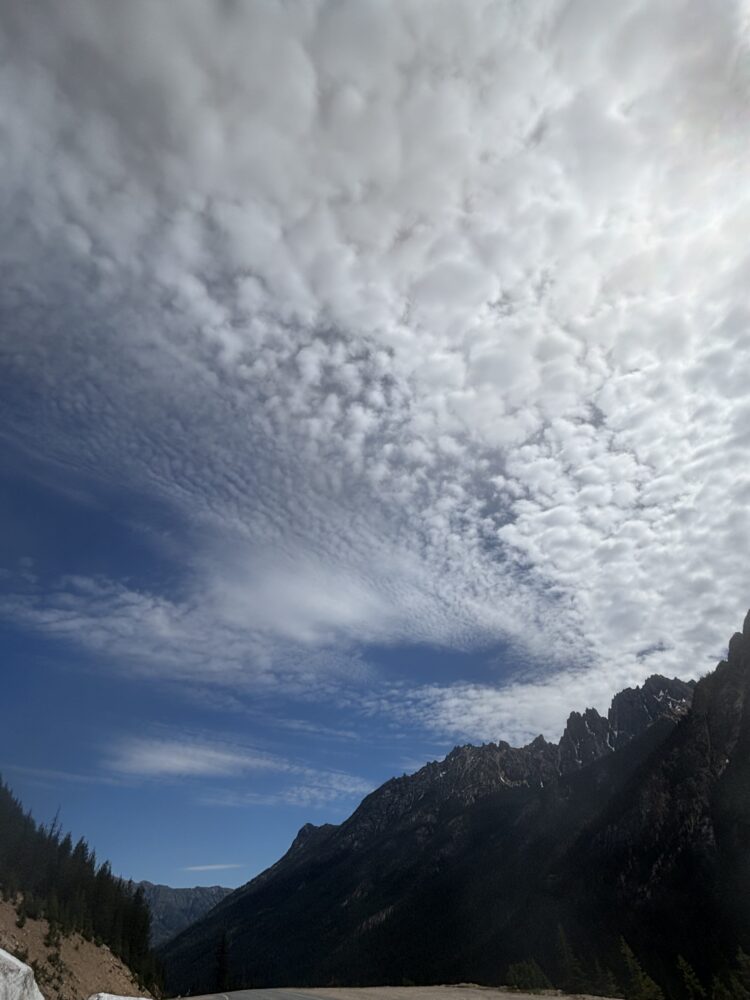
Altocumulus spotted over Washington Pass, near Mazama, Washington, US
Leave a Reply Cancel reply
You must be logged in to post a comment.
This site uses Akismet to reduce spam. Learn how your comment data is processed.
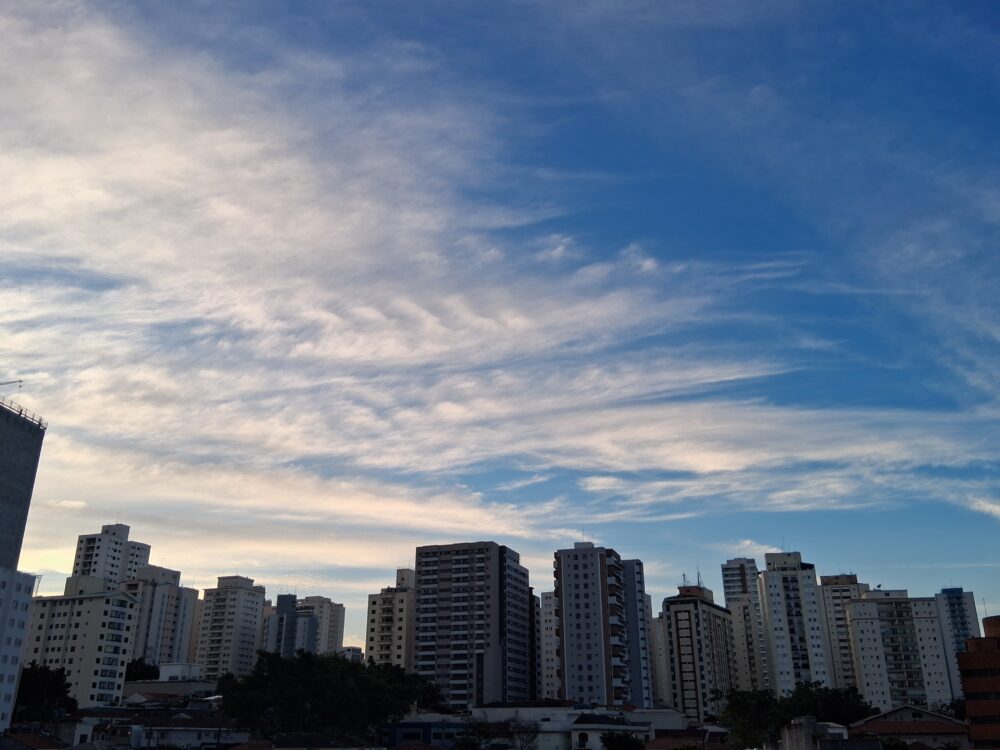
Undulatus spotted during the late afternoon over São Paulo City, Brazil
Leave a Reply Cancel reply
You must be logged in to post a comment.
This site uses Akismet to reduce spam. Learn how your comment data is processed.
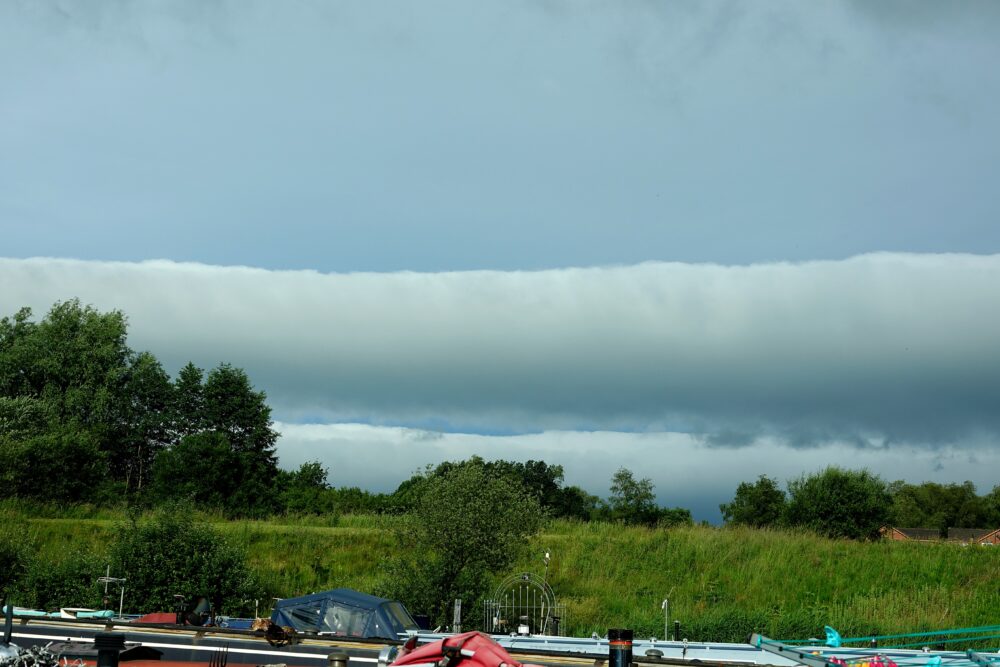
Signs of a roll cloud, also known as Stratocumulus volutus, spotted near Rufford, West Lancashire, looking west over the sea beyond Southport, England
Leave a Reply Cancel reply
You must be logged in to post a comment.
This site uses Akismet to reduce spam. Learn how your comment data is processed.
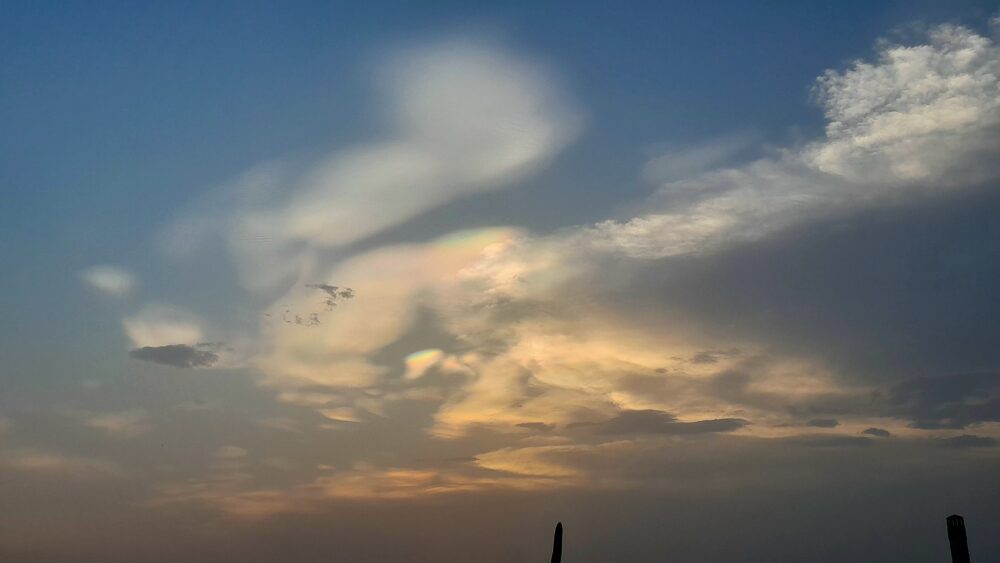
Altocumulus lenticualris spotted over Saida Al-Sawaleha, Saudi Arabia
Leave a Reply Cancel reply
You must be logged in to post a comment.
This site uses Akismet to reduce spam. Learn how your comment data is processed.
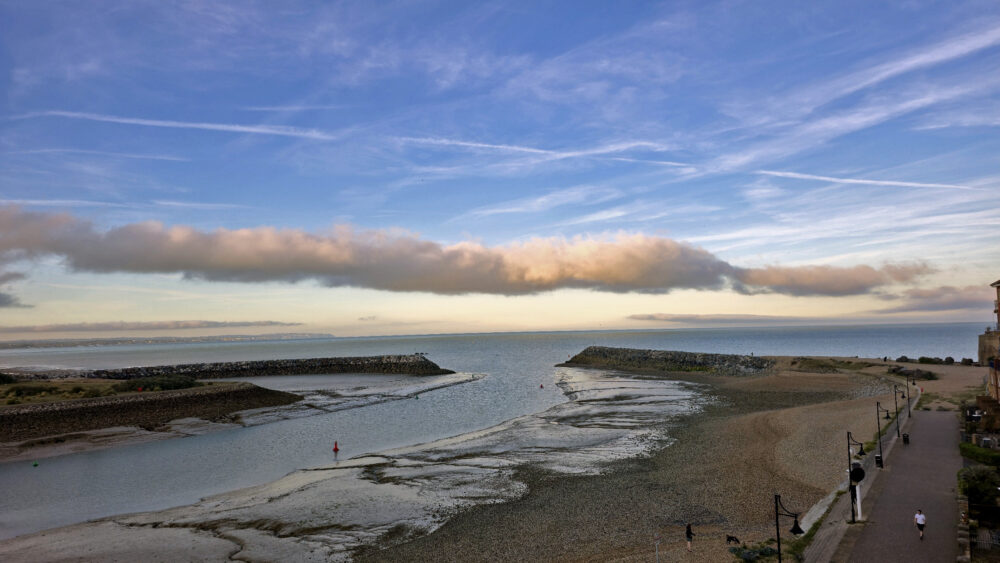
Stratus spotted over Sovereign Harbour, Eastbourne, England
Leave a Reply Cancel reply
You must be logged in to post a comment.
This site uses Akismet to reduce spam. Learn how your comment data is processed.
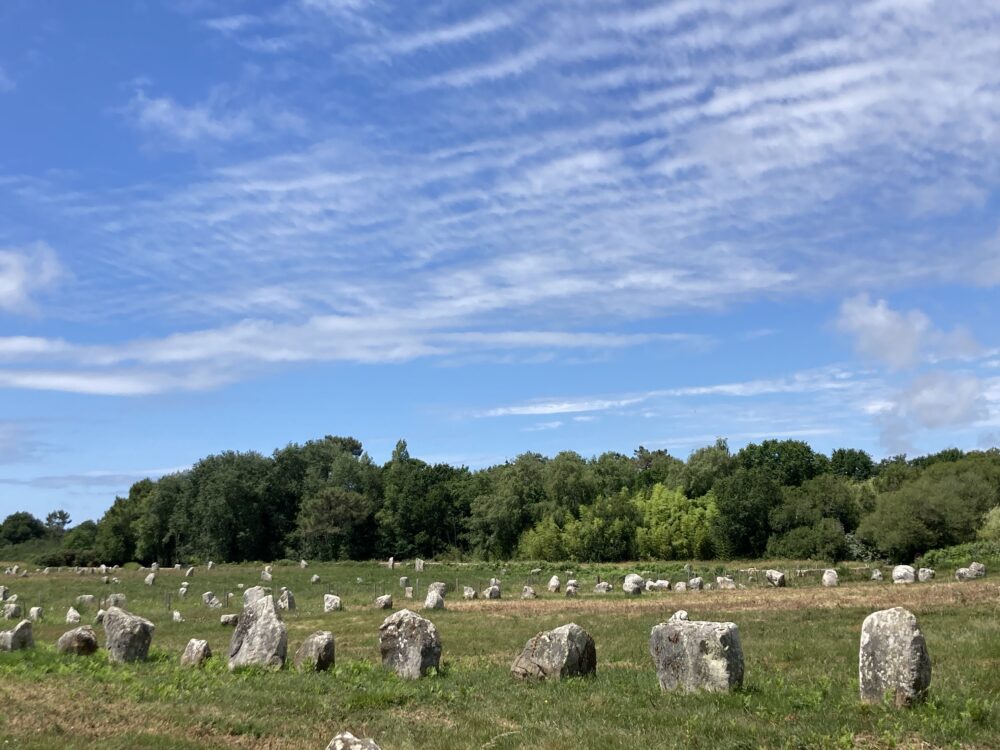
Undulatus spotted over a megalithic site near Carnac, France
Leave a Reply Cancel reply
You must be logged in to post a comment.
This site uses Akismet to reduce spam. Learn how your comment data is processed.
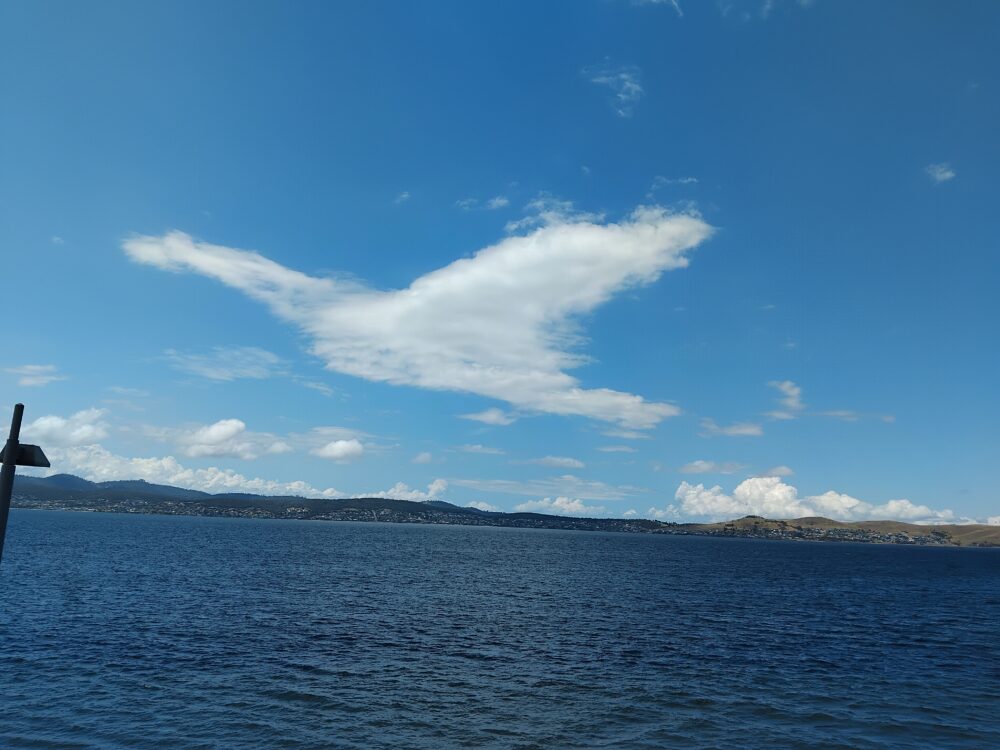
A 'falcon' spotted over Tasmania, Australia
Leave a Reply Cancel reply
You must be logged in to post a comment.
This site uses Akismet to reduce spam. Learn how your comment data is processed.
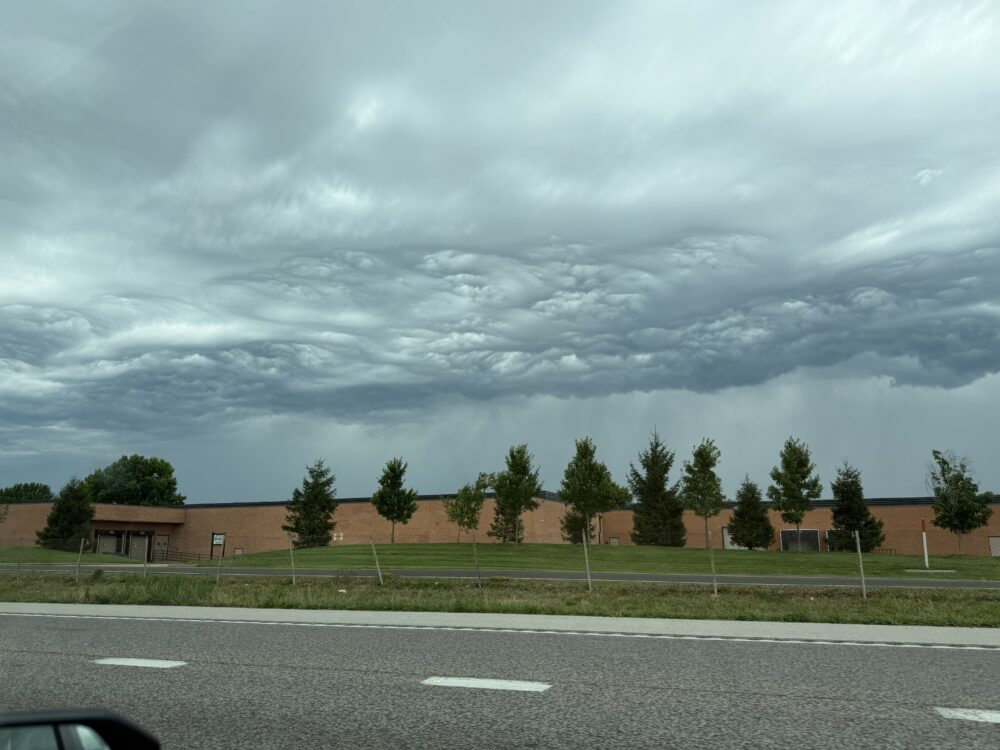
Asperitas spotted within a storm that was heading east, while Celia and her father were traveling westbound on I-70, near Wentzville, Missouri, US
Leave a Reply Cancel reply
You must be logged in to post a comment.
This site uses Akismet to reduce spam. Learn how your comment data is processed.
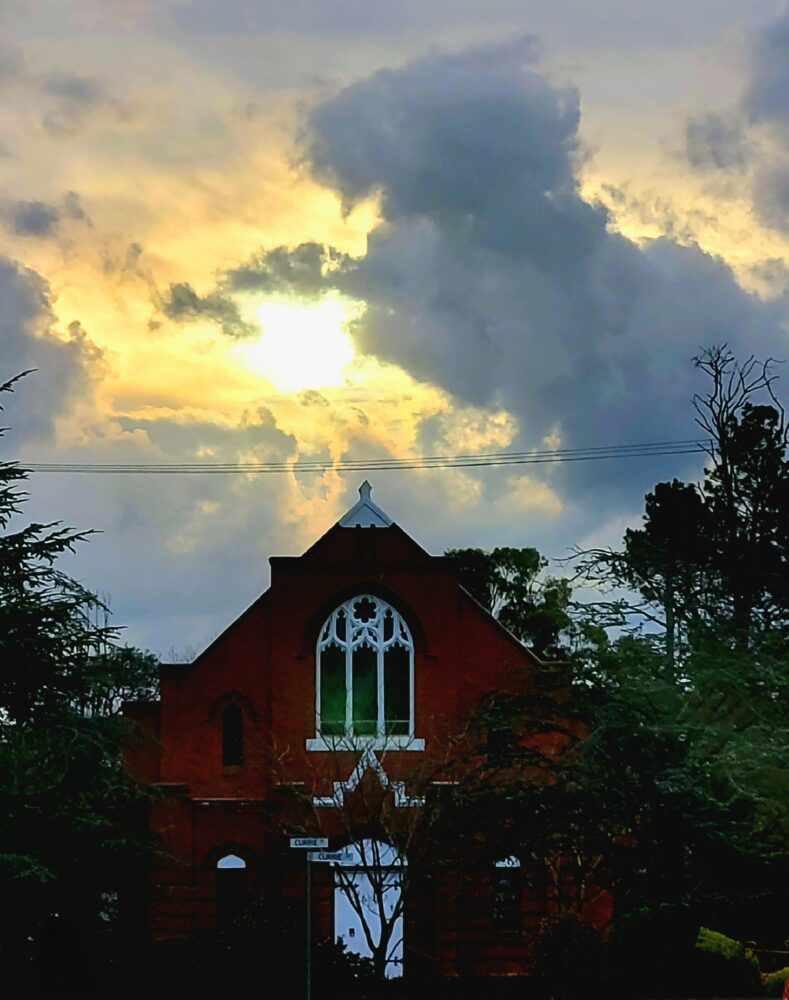
Cumulus clouds that take on the look of T-Rex playing with the setting sun, spotted over Canberra, Australia
Leave a Reply Cancel reply
You must be logged in to post a comment.
This site uses Akismet to reduce spam. Learn how your comment data is processed.
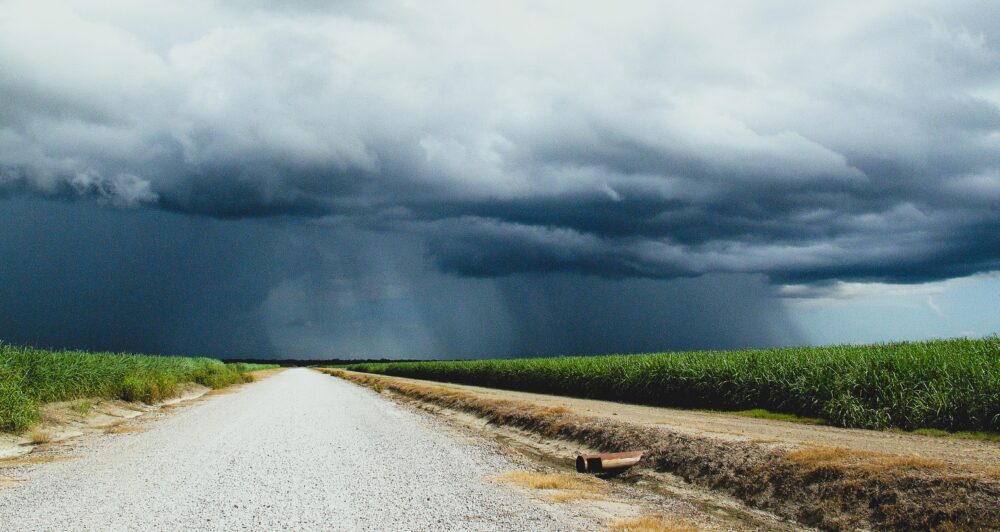
A storm with notable precipitation spotted near Plaquemine, Louisiana, US
Leave a Reply Cancel reply
You must be logged in to post a comment.
This site uses Akismet to reduce spam. Learn how your comment data is processed.
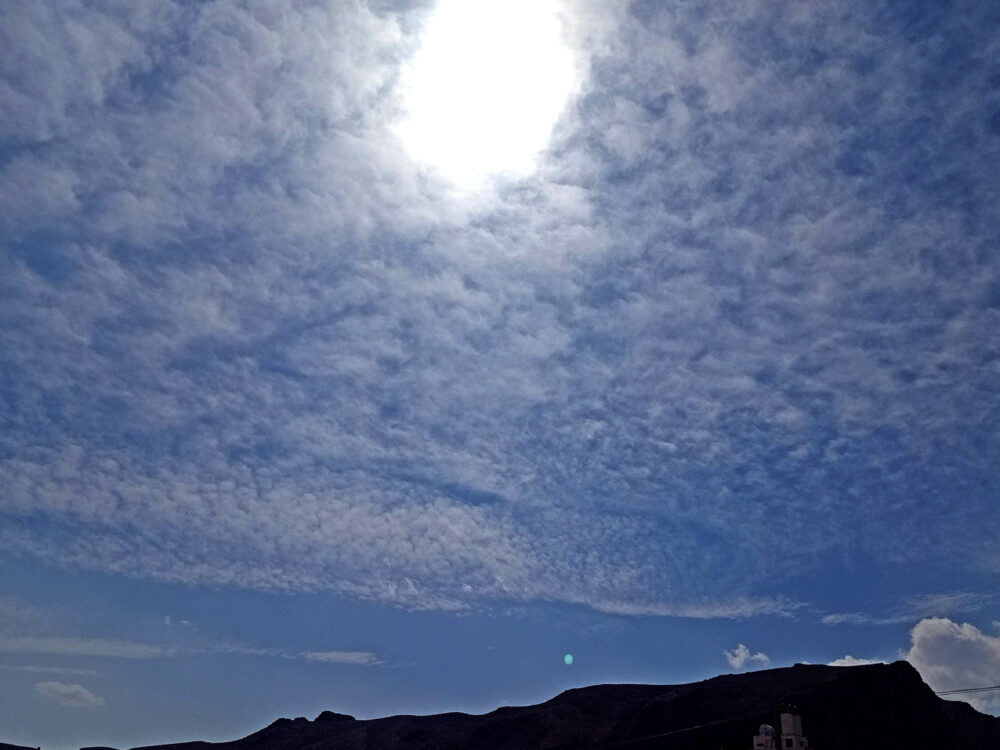
Altocumulus perlucidus spotted over Khomeynishahr City, Esfahan, Iran
Leave a Reply Cancel reply
You must be logged in to post a comment.
This site uses Akismet to reduce spam. Learn how your comment data is processed.
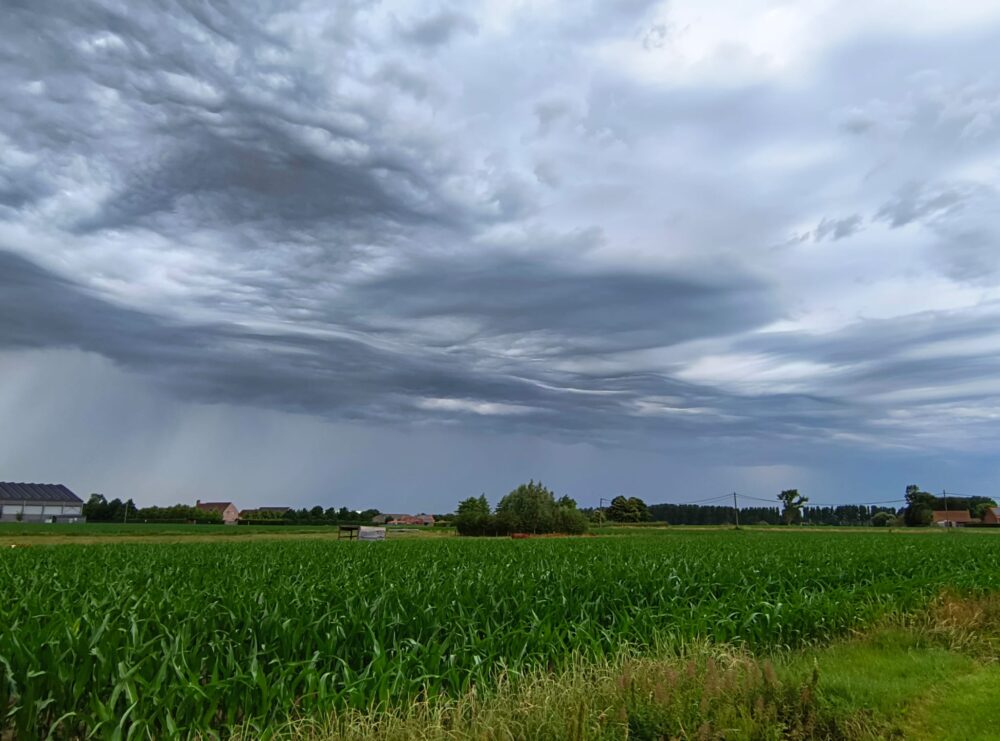
An approaching storm near Noordschote, Belgium
Leave a Reply Cancel reply
You must be logged in to post a comment.
This site uses Akismet to reduce spam. Learn how your comment data is processed.


Beautiful photo, but boy! ….. does’nt that look COLD!
Never seen even a picture of this before – wonderful image! And Ian – thanks for the link.
Beautiful, incredible phenomena and with two deer at the same time! Excellent composition – great picture!
PS, website administrator: as you can see by my inadvertent ‘anonymous’ submission and the one by Andrew Kirk, the submission guidelines are unclear!
The difference between a subsun and sundog seems to be a technicality. Optically, both are ‘subsuns,’ and metaphorically, both are ‘sundogs.’ At least that’s what I’ll tell myself, since I’ve named this one “The Dancing Sundog”! (See the video by that name on Youtube.) And yes–the vegetation is mullein and the animals are two mule deer.
The difference between a subsun and sundog seems to be a technicality. Optically, both are ‘subsuns,’ and metaphorically, both are ‘sundogs.’ At least that’s what I’ll tell myself, since I’ve named this one “The Dancing Sundog”! (See the video by that name on Youtube.) And yes–the vegetation is mullein and the animals are two mule deer.
Ian
Thanks very much indeed for the link you kindly provided in relation to the photo portrayed which gives, for the likes of me, detailed information about this cloud type of unusual phenenomenon – something I’ve not known about it till now – one of the many things I learnt about from the CAS and its members, thanks be!
Thanks to you, Ron, for this photo from which I’ve learnt something new. Good man!
Laurence
Great shot and cool link. But wait! Is that a field of Mullein and two reindeer?
Great shot and cool link. But wait! Is that a field of Mullein, and two reindeer?
More information here http://www.atoptics.co.uk/fz188.htm
IanL..