

Filter By:
Main Cloud Types
- Cumulus
- Stratus
- Stratocumulus
- Altocumulus
- Altostratus
- Cirrus
- Cirrocumulus
- Cirrostratus
- Nimbostratus
- Cumulonimbus
Other Clouds
- Arcus
- Asperitas
- Cap / banner clouds
- Capillatus
- Castellanus
- Cataractagenitus
- Cauda (Tail cloud)
- Cavum (Fallstreak hole)
- Congestus
- Contrail (homogenitus)
- Duplicatus
- Diamond dust
- Distrail
- Fibratus
- Flammagenitus (Pyrocumulus)
- Floccus
- Fluctus (Kelvin-Helmholtz)
- Fractus
- Homogenitus
- Horseshoe vortex
- Humilis
- Incus
- Intortus
- Lacunosus
- Lenticularis
- Mamma
- Morning Glory Cloud
- Murus (Wall cloud)
- Mediocris
- Nacreous
- Nebulosus
- Noctilucent
- Pannus
- Perlucidus
- Pileus
- Praecipitatio
- Radiatus
- Silvagenitus
- Spissatus
- Stratiformis
- 'Supercilium' (not official classification)
- Translucidus
- Tuba / Twister
- Uncinus
- Undulatus
- Velum
- Vertebratus
- Virga
- Volutus (Roll cloud)
Optical Effects
- 22° Halo
- 46° Halo
- Circumhorizon Arc
- Circumscribed halo
- Circumzenithal Arc
- Cloudbow / Fogbow
- Corona
- Crepuscular rays & shadows
- Diffuse arcs
- Green flash
- Glory
- Halos
- Helic arc
- Infralateral arc
- Iridescence
- Lower Sun Pillar
- Lower Tangent Arc
- Moonbow
- Moondogs
- Parhelic circle
- Parry antisolar arcs
- Parry arc
- Parry infralateral arc
- Parry supralateral arc
- Rainbow
- Sub parhelion
- Sub-sun
- Suncave parry arc
- Sun dog (Parhelion)
- Sun pillar
- Supernumerary bows
- Subparhelic circle
- Supralateral arc
- Upper tangent arc
- Wegener arc
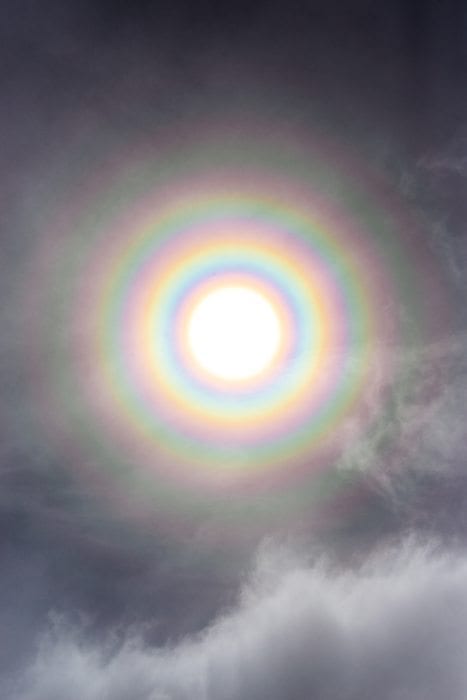
A rare sighting of a 4-ringed Corona over the Jungfraujoch in the Bernese Alps.
11 thoughts on “Mark McCaughrean”
Leave a Reply Cancel reply
You must be logged in to post a comment.
This site uses Akismet to reduce spam. Learn how your comment data is processed.
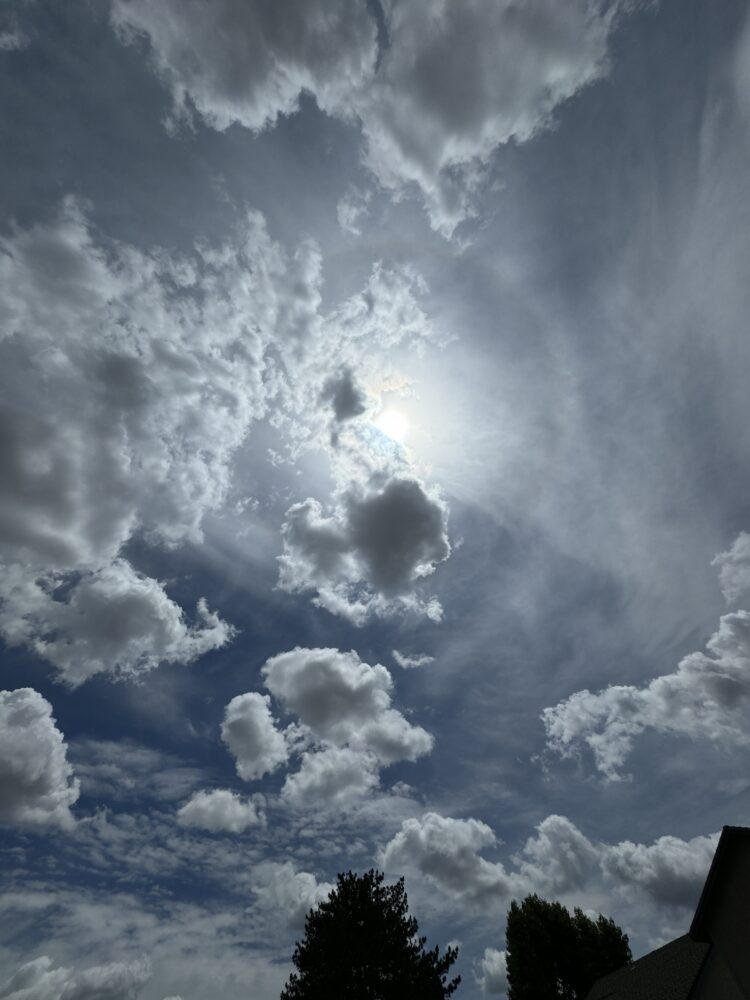
22-degree halo spotted over Sacramento, California, US
Leave a Reply Cancel reply
You must be logged in to post a comment.
This site uses Akismet to reduce spam. Learn how your comment data is processed.
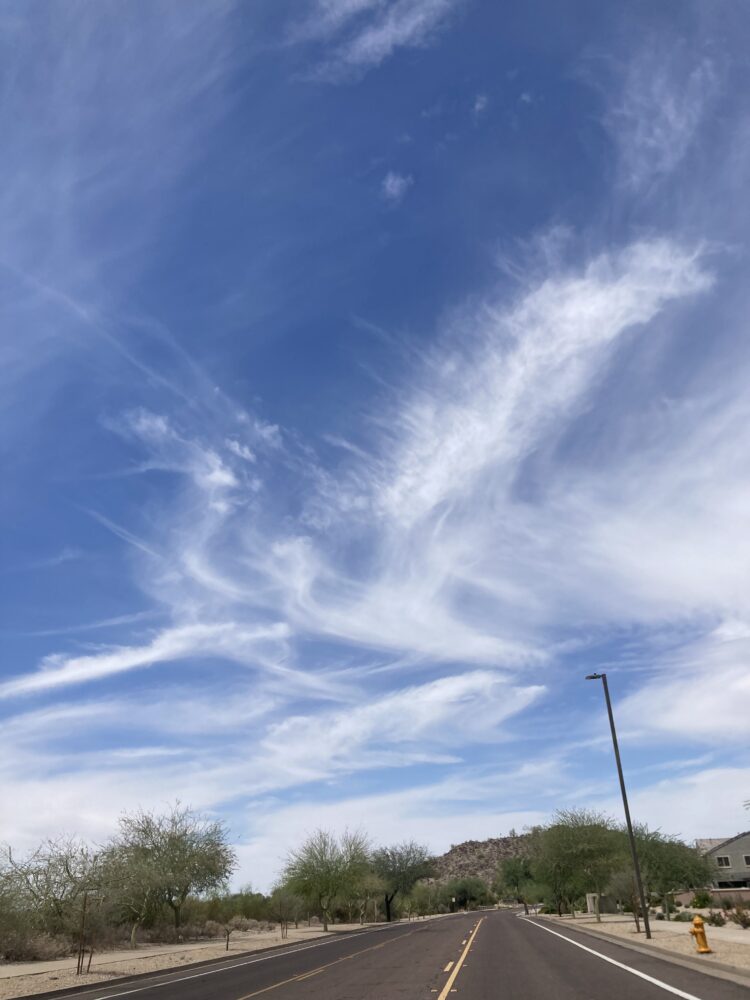
An image of a swan spotted in the clouds above Goodyear, Arizona, US
Leave a Reply Cancel reply
You must be logged in to post a comment.
This site uses Akismet to reduce spam. Learn how your comment data is processed.
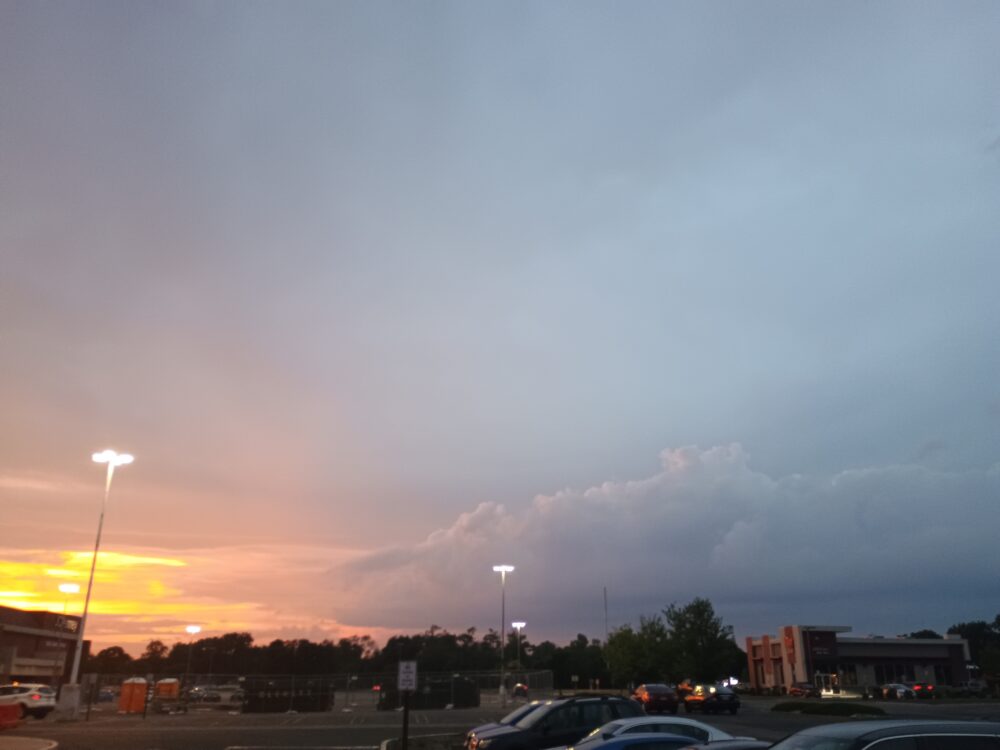
A storm system near East Brunswick, New Jersey, US
Leave a Reply Cancel reply
You must be logged in to post a comment.
This site uses Akismet to reduce spam. Learn how your comment data is processed.
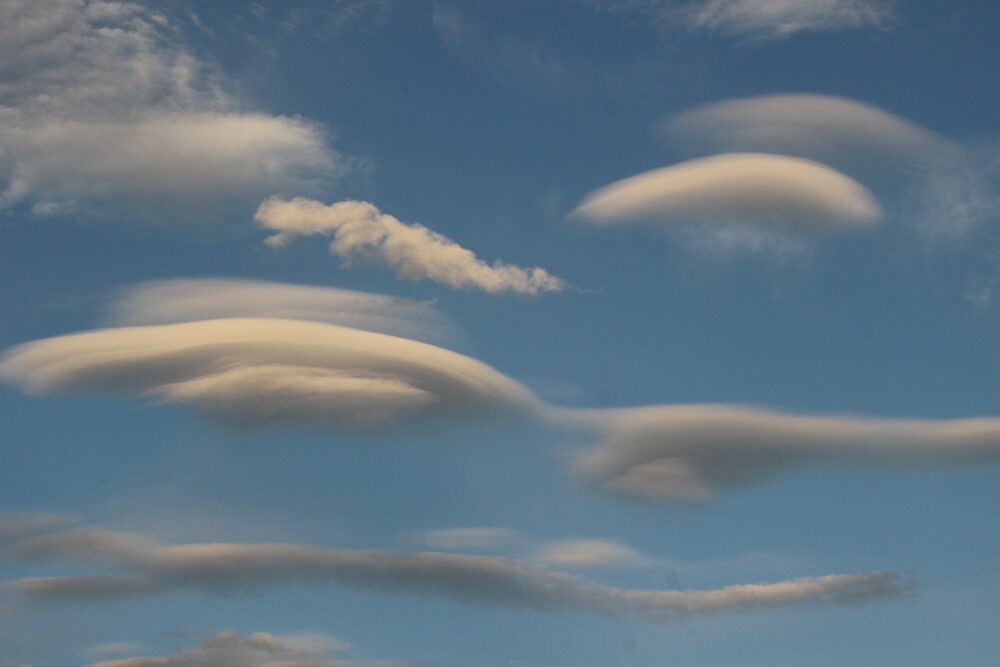
A plethora of Altocumulus lenticularis spotted over Helena, Montana, US
Leave a Reply Cancel reply
You must be logged in to post a comment.
This site uses Akismet to reduce spam. Learn how your comment data is processed.
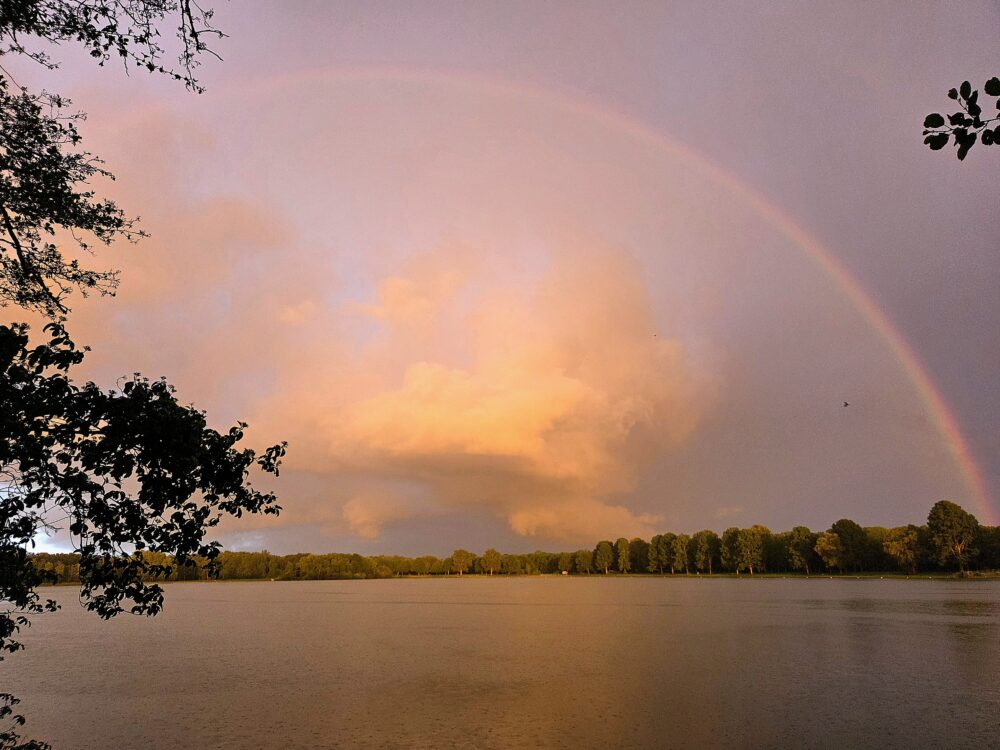
Rainbow over Bremen, Germany
Leave a Reply Cancel reply
You must be logged in to post a comment.
This site uses Akismet to reduce spam. Learn how your comment data is processed.
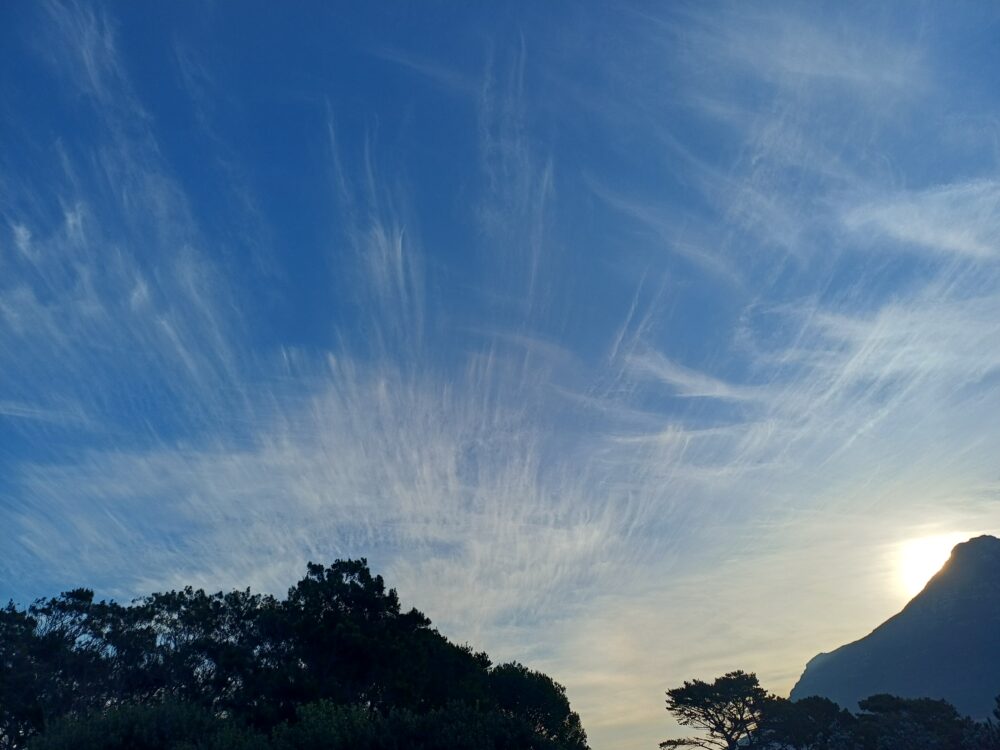
Cirrus fibratus spotted over Cape Town, South Africa
Leave a Reply Cancel reply
You must be logged in to post a comment.
This site uses Akismet to reduce spam. Learn how your comment data is processed.
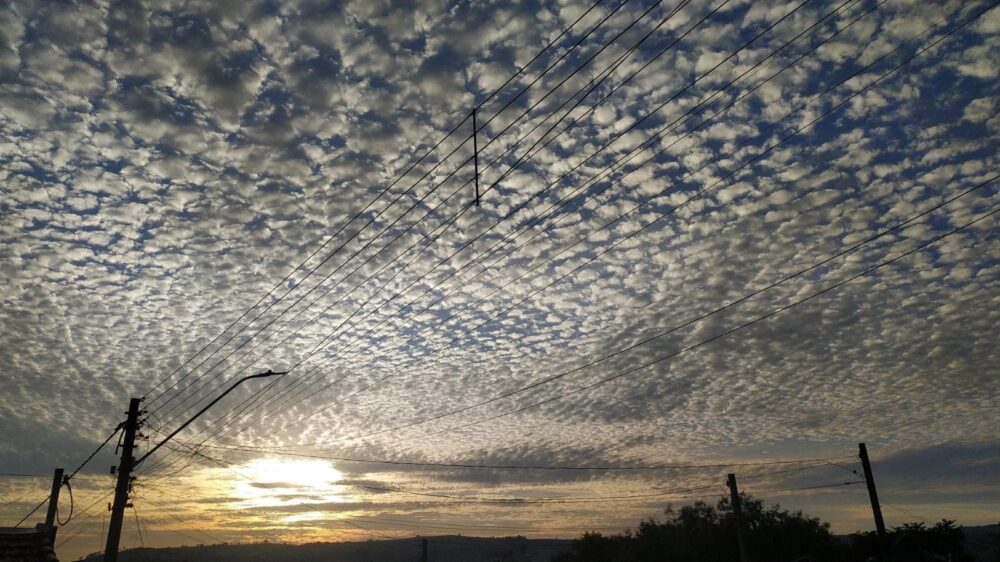
Altocumulus floccus over Jacarezinho, Paraná, Brazil
Leave a Reply Cancel reply
You must be logged in to post a comment.
This site uses Akismet to reduce spam. Learn how your comment data is processed.
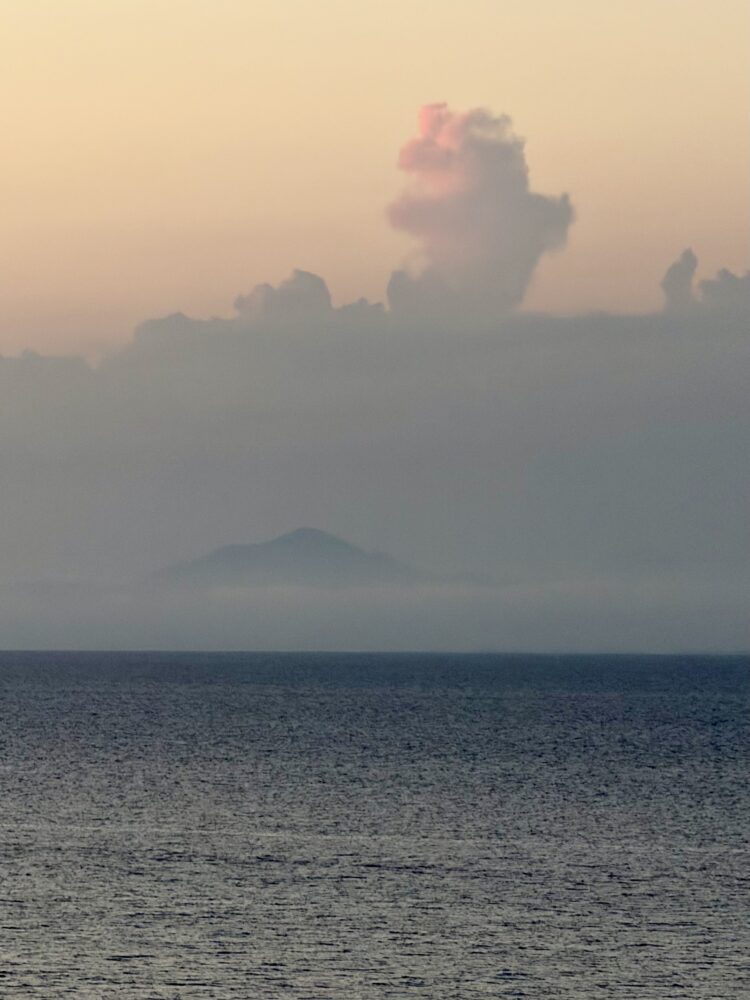
Sunset on the Bay of Naples, near Ischia Island, Italy
Leave a Reply Cancel reply
You must be logged in to post a comment.
This site uses Akismet to reduce spam. Learn how your comment data is processed.
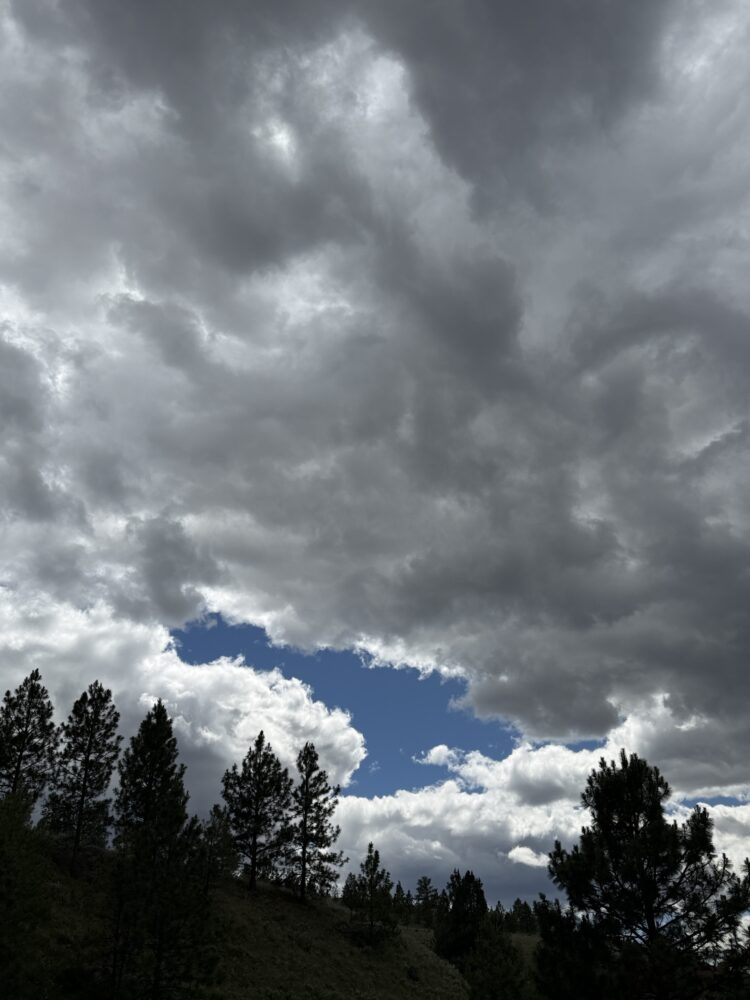
A portal to the sky, spotted over Tonasket, Washington, US
Leave a Reply Cancel reply
You must be logged in to post a comment.
This site uses Akismet to reduce spam. Learn how your comment data is processed.
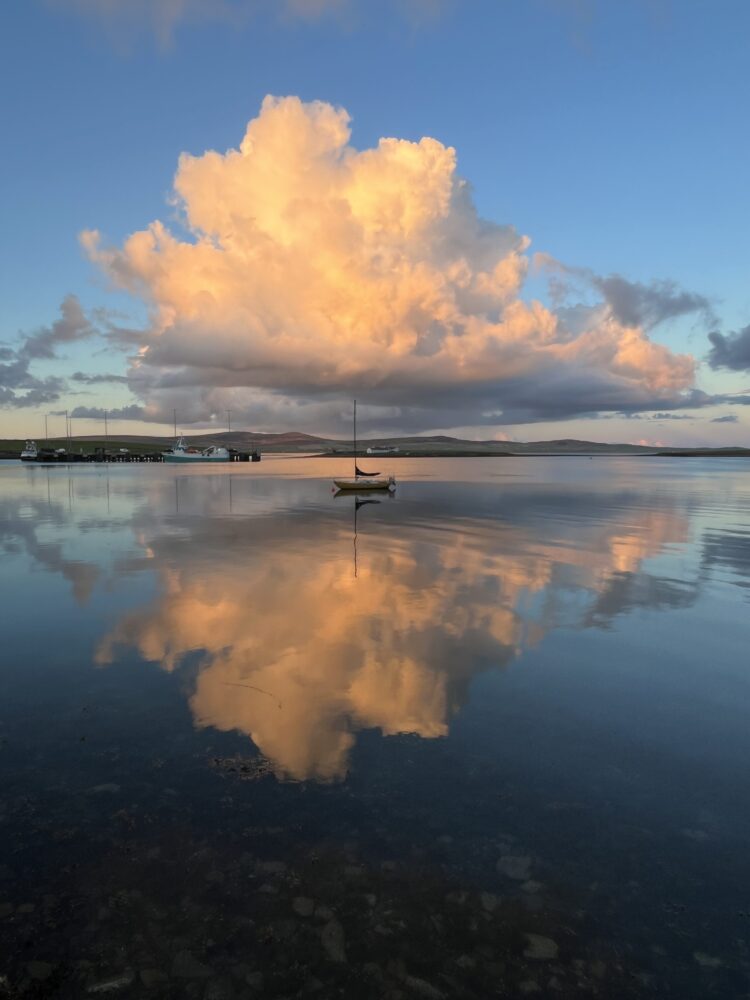
A mirror image captured near Stromness, Orkney, Scotland
Leave a Reply Cancel reply
You must be logged in to post a comment.
This site uses Akismet to reduce spam. Learn how your comment data is processed.
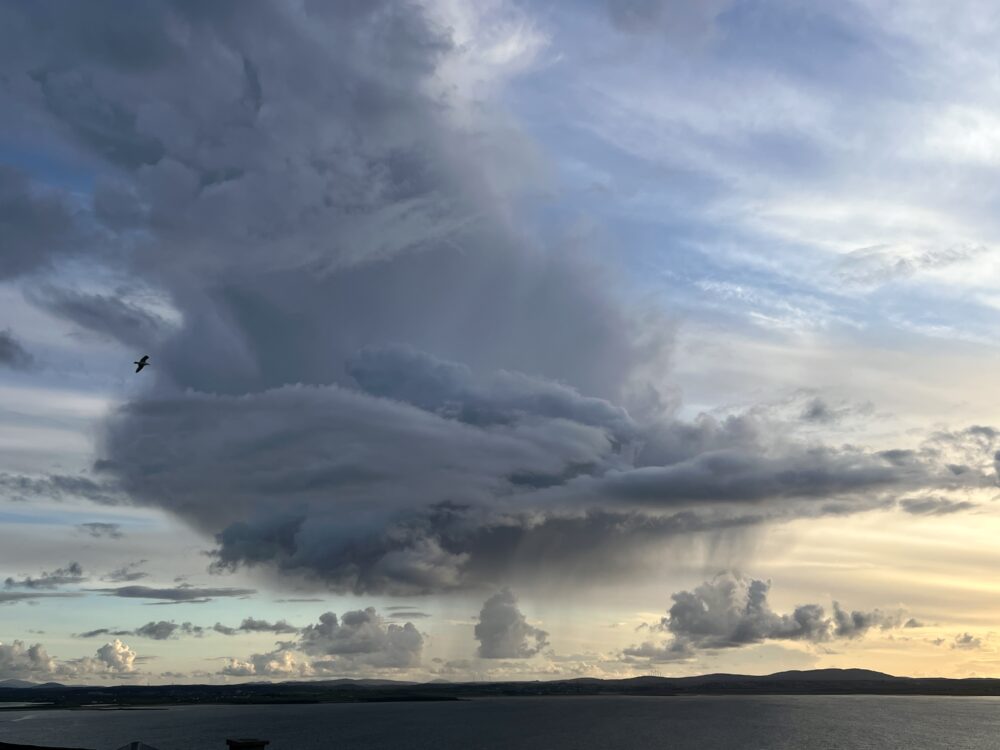
A dissipating storm with virga, spotted over Point, Isle of Lewis, Scotland
Leave a Reply Cancel reply
You must be logged in to post a comment.
This site uses Akismet to reduce spam. Learn how your comment data is processed.
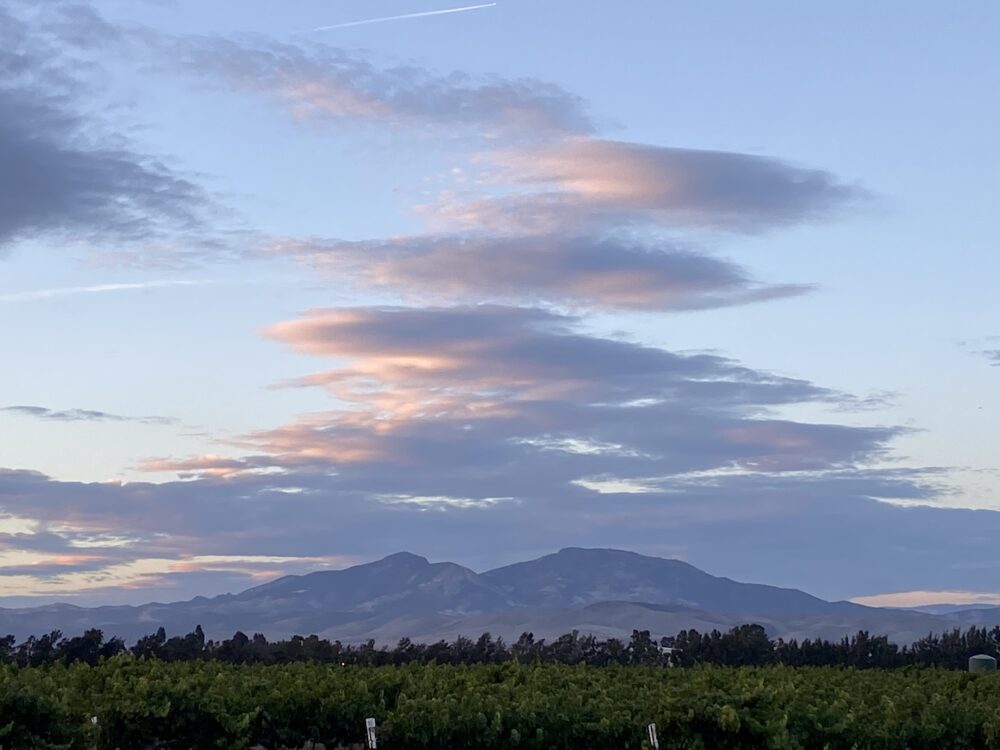
Altocumulus lenticularis spotted over Greenfield, California, US
Leave a Reply Cancel reply
You must be logged in to post a comment.
This site uses Akismet to reduce spam. Learn how your comment data is processed.
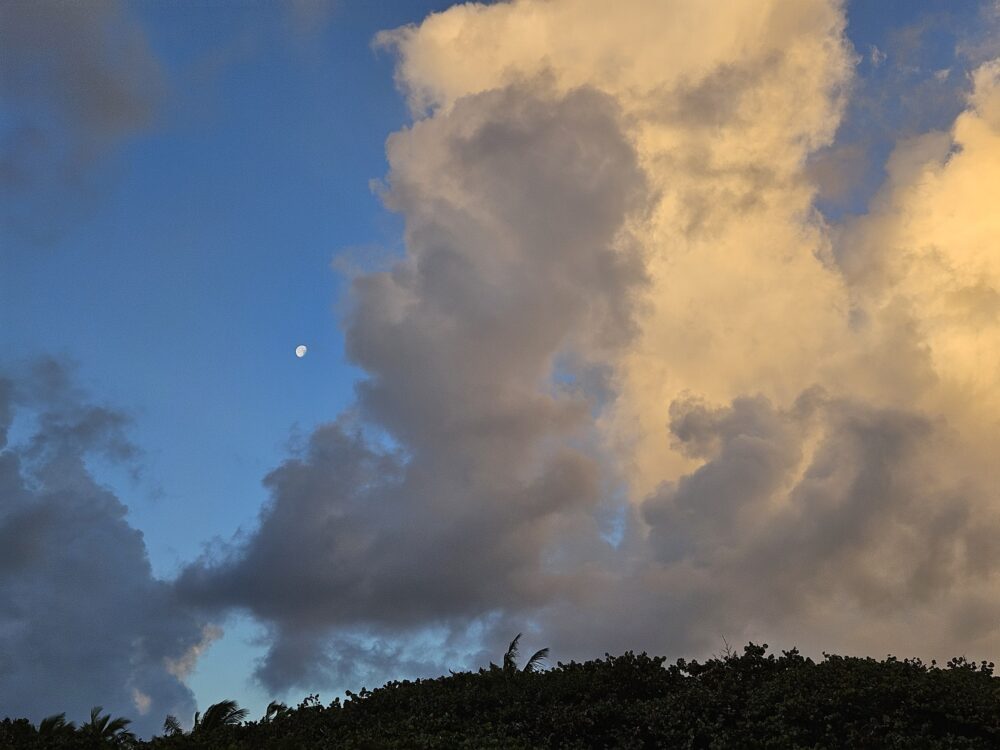
A face in the clouds coming close to swallowing the moon, spotted over Boca Raton, Florida, US
Leave a Reply Cancel reply
You must be logged in to post a comment.
This site uses Akismet to reduce spam. Learn how your comment data is processed.
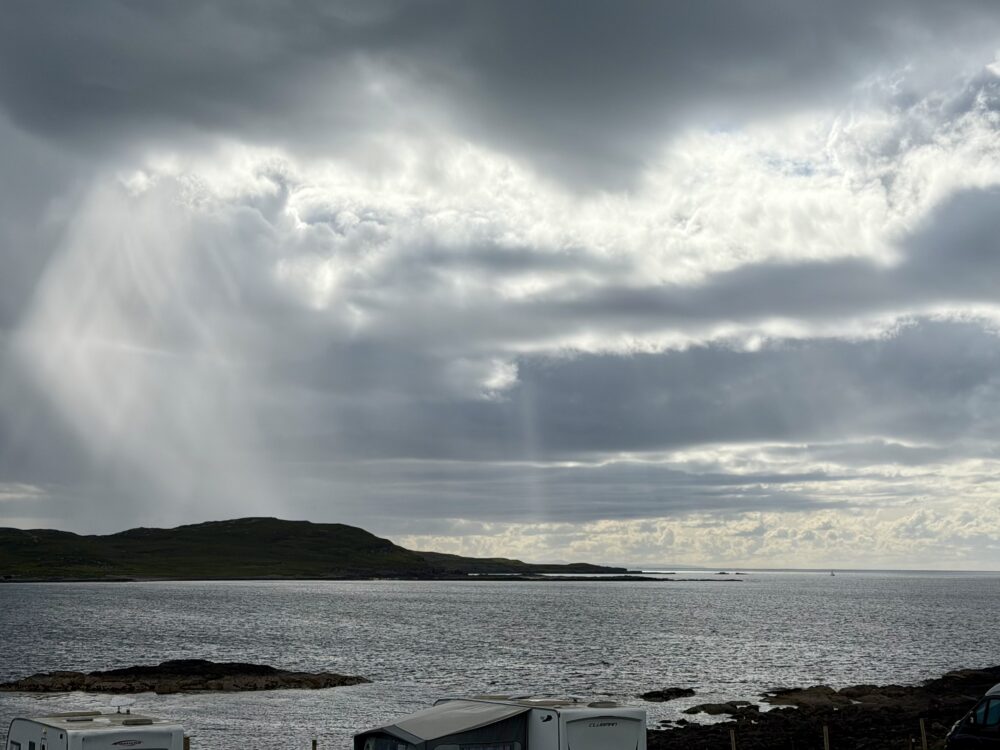
Crepuscular rays spotted over Isle Ristol, Altandhu, Scotland
Leave a Reply Cancel reply
You must be logged in to post a comment.
This site uses Akismet to reduce spam. Learn how your comment data is processed.
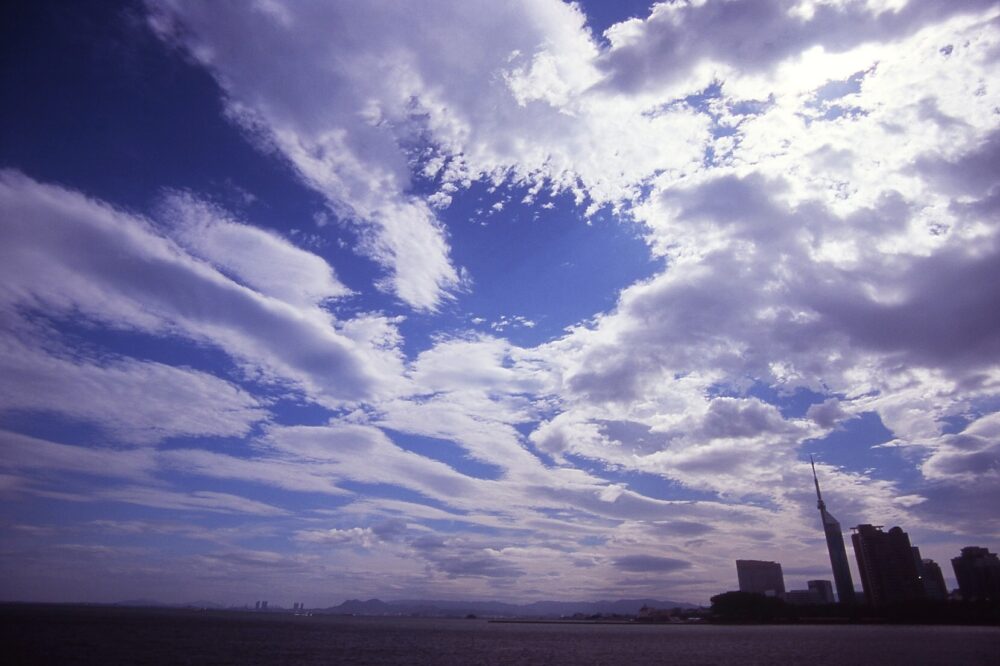
Altocumulus lenticularis spotted over Momochihama, Fukuoka City, Japan
Leave a Reply Cancel reply
You must be logged in to post a comment.
This site uses Akismet to reduce spam. Learn how your comment data is processed.


Wow.
Beautiful
Thanks, Margret; sounds like I was quite lucky on that day then. Interestingly, I expect that most people up there at the same time didn’t notice it: it’s not the obvious thing to do, looking at the Sun :-)
Indeed, if I recall correctly, I first noticed the corona (which was coming and going quite rapidly) when taking a picture down towards the glacier. The Sun was in the shot, but rather attenuated by the camera optics, making it easy to notice the corona. But once I knew it was there, it was very easy to observe naked-eye as well, blocking the Sun with my hand.
Amazing photo. I’ve been up there a few times and have never seen anything like this. Very dense fog, yes; clear, crystalline air, yes; Alpine choughs riding the thermals, yes – so, worth a trip regardless of the weather!
I’ve been up there a few times and have never seen anything like this. Very dense fog, yes; clear, crystalline air, yes; Alpine choughs riding the thermals, yes – so, worth a trip regardless of the weather!
Many thanks, Mark, for the additional information you provided about the taking of your unique photo – I found it most interesting. One day perhaps I may see such an event when I plan to visit the Bernese Oberland, Switzerland next year.
Kind regards.
Laurence
Thanks, Laurence. It was indeed a wonderful sight, but in some sense, the photo slightly overplays it. Not because it has been heavily processed or anything, but simply because in real life, it was a very fleeting spectacle, coming and going rapidly as the wind blew the ragged clouds over the summit. Conversely, the picture allows you to stare at it and soak up the beauty :-)
Given the particular topography of the Jungfraujoch, I’d hazard a guess that such conditions are quite common there and it seems possible that multi-ringed coronae might be seen quite often. So make the trip: it’s well worthwhile in any case :-)
Brilliant, Mark. What a unique spectacle to see! Lucky, so lucky, you.
Laurence
It’s incredible ~
Thanks, John: clouds were blowing up sporadically over the Jungfraujoch from the Aletsch glacier, and at points where they were thin, there was a nice corona to be seen, albeit rapidly changing as the clouds blew through.
That said, I didn’t quite realise how rare and special a 4-ringed corona is until I did a little checking on Les Cowley’s Atmospheric Optics later on.
Superb Capture Mark !