

Filter By:
Main Cloud Types
- Cumulus
- Stratus
- Stratocumulus
- Altocumulus
- Altostratus
- Cirrus
- Cirrocumulus
- Cirrostratus
- Nimbostratus
- Cumulonimbus
Other Clouds
- Arcus
- Asperitas
- Cap / banner clouds
- Capillatus
- Castellanus
- Cataractagenitus
- Cauda (Tail cloud)
- Cavum (Fallstreak hole)
- Congestus
- Contrail (homogenitus)
- Duplicatus
- Diamond dust
- Distrail
- Fibratus
- Flammagenitus (Pyrocumulus)
- Floccus
- Fluctus (Kelvin-Helmholtz)
- Fractus
- Homogenitus
- Horseshoe vortex
- Humilis
- Incus
- Intortus
- Lacunosus
- Lenticularis
- Mamma
- Morning Glory Cloud
- Murus (Wall cloud)
- Mediocris
- Nacreous
- Nebulosus
- Noctilucent
- Pannus
- Perlucidus
- Pileus
- Praecipitatio
- Radiatus
- Silvagenitus
- Spissatus
- Stratiformis
- 'Supercilium' (not official classification)
- Translucidus
- Tuba / Twister
- Uncinus
- Undulatus
- Velum
- Vertebratus
- Virga
- Volutus (Roll cloud)
Optical Effects
- 22° Halo
- 46° Halo
- Circumhorizon Arc
- Circumscribed halo
- Circumzenithal Arc
- Cloudbow / Fogbow
- Corona
- Crepuscular rays & shadows
- Diffuse arcs
- Green flash
- Glory
- Halos
- Helic arc
- Infralateral arc
- Iridescence
- Lower Sun Pillar
- Lower Tangent Arc
- Moonbow
- Moondogs
- Parhelic circle
- Parry antisolar arcs
- Parry arc
- Parry infralateral arc
- Parry supralateral arc
- Rainbow
- Sub parhelion
- Sub-sun
- Suncave parry arc
- Sun dog (Parhelion)
- Sun pillar
- Supernumerary bows
- Subparhelic circle
- Supralateral arc
- Upper tangent arc
- Wegener arc
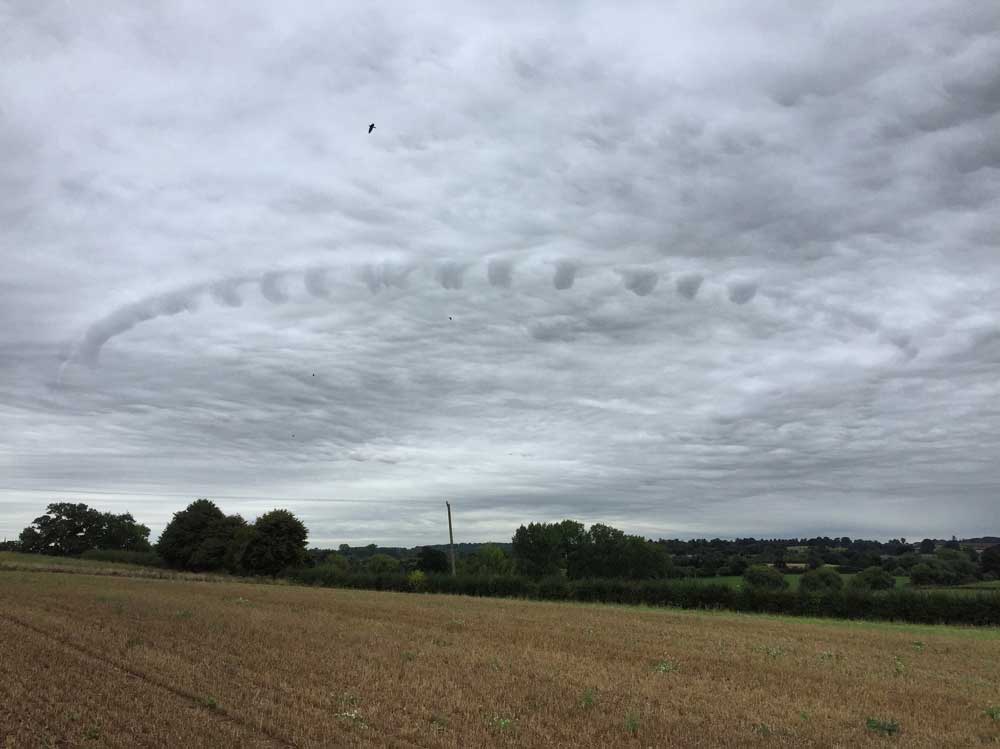
A 'U' turn over Hampton Lucy, Warwickshire, UK.
10 thoughts on “A ‘U’ turn over Hampton Lucy, Warwickshire, UK.”
Leave a Reply Cancel reply
You must be logged in to post a comment.
This site uses Akismet to reduce spam. Learn how your comment data is processed.
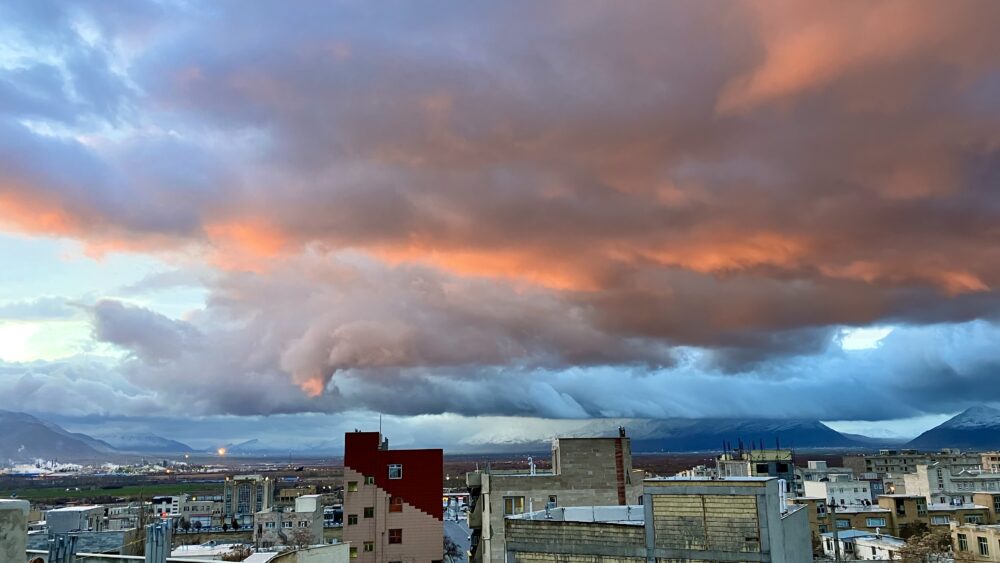
A mixed sky over Mahajeran, Iran
Leave a Reply Cancel reply
You must be logged in to post a comment.
This site uses Akismet to reduce spam. Learn how your comment data is processed.
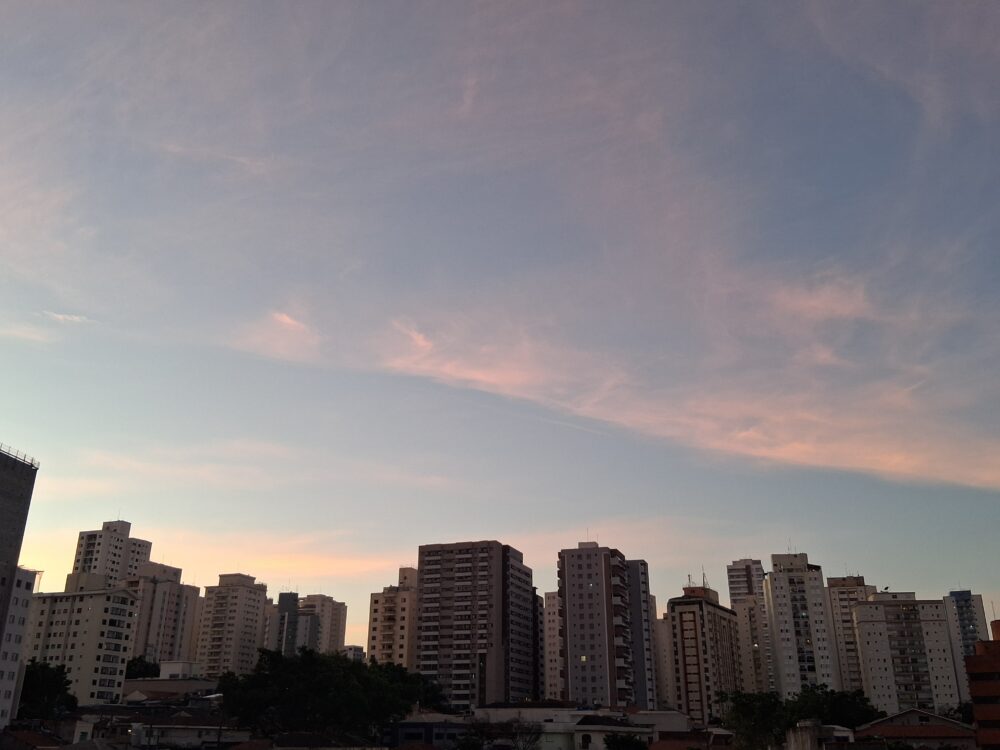
Cirrostratus spotted during the late afternoon over São Paulo City, Brazil
Leave a Reply Cancel reply
You must be logged in to post a comment.
This site uses Akismet to reduce spam. Learn how your comment data is processed.
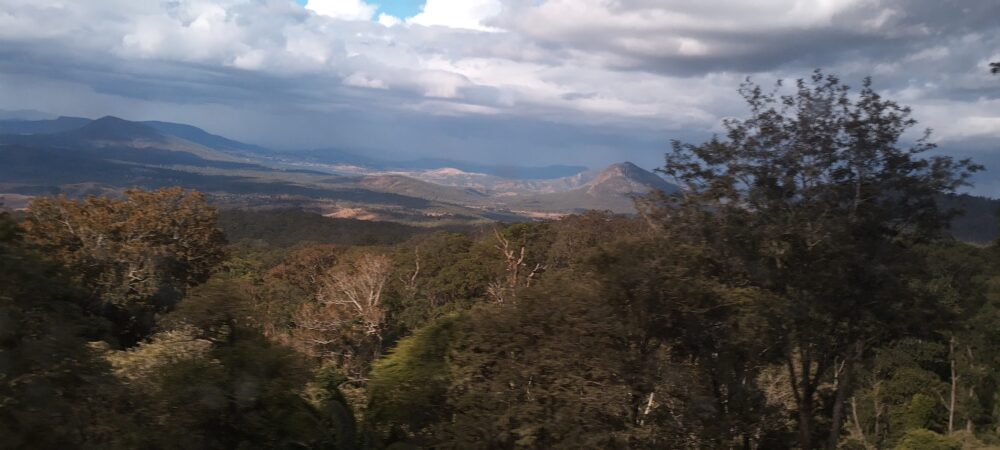
Stratocumulus spotted from the Scenic Rim, looking towards the hills on the outskirts of Brisbane, Queensland, Australia
Leave a Reply Cancel reply
You must be logged in to post a comment.
This site uses Akismet to reduce spam. Learn how your comment data is processed.
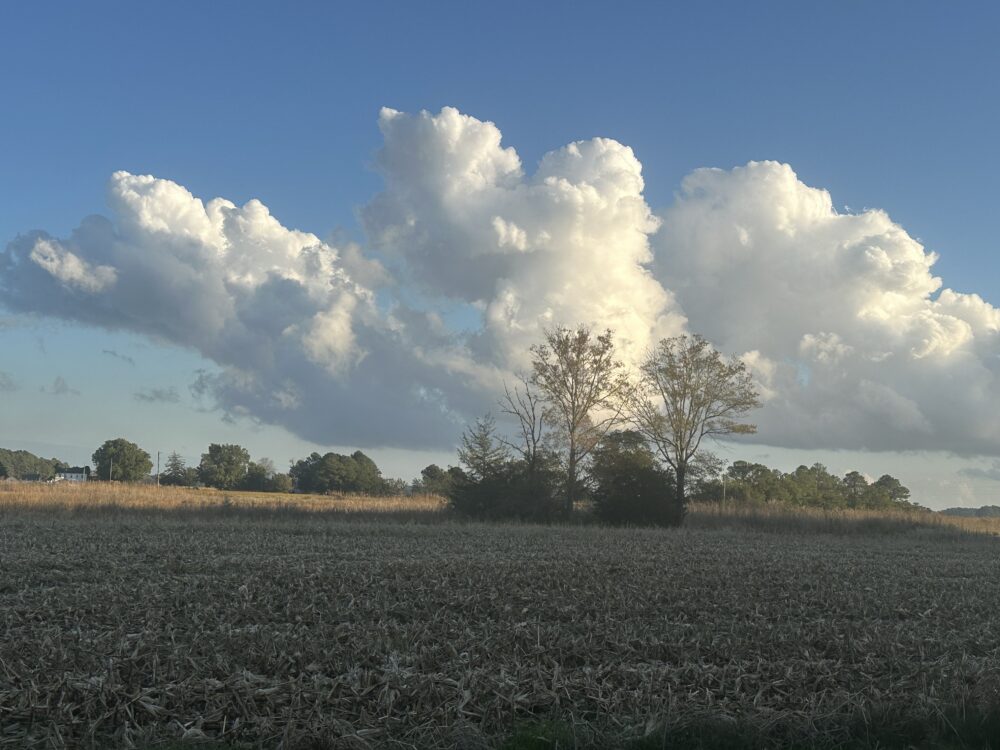
Cumulus congestus over Eastern Shore of Chesapeake Bay, Maryland, US
Leave a Reply Cancel reply
You must be logged in to post a comment.
This site uses Akismet to reduce spam. Learn how your comment data is processed.
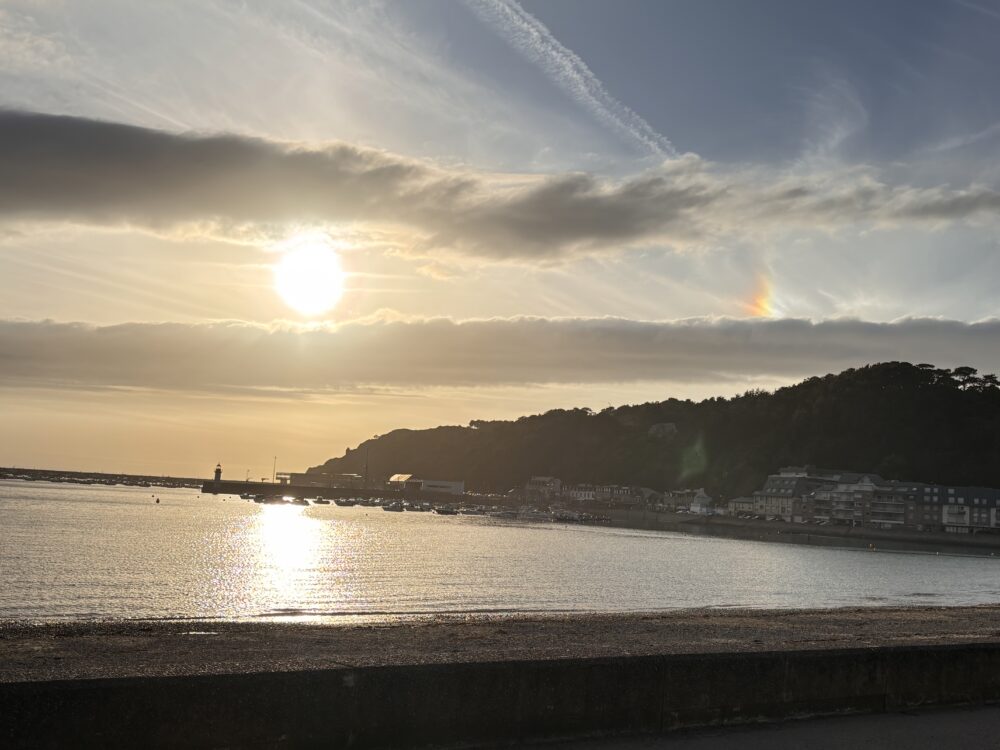
Sun Dog (Parhelion) spotted over Erquy, Brittany, France
Leave a Reply Cancel reply
You must be logged in to post a comment.
This site uses Akismet to reduce spam. Learn how your comment data is processed.
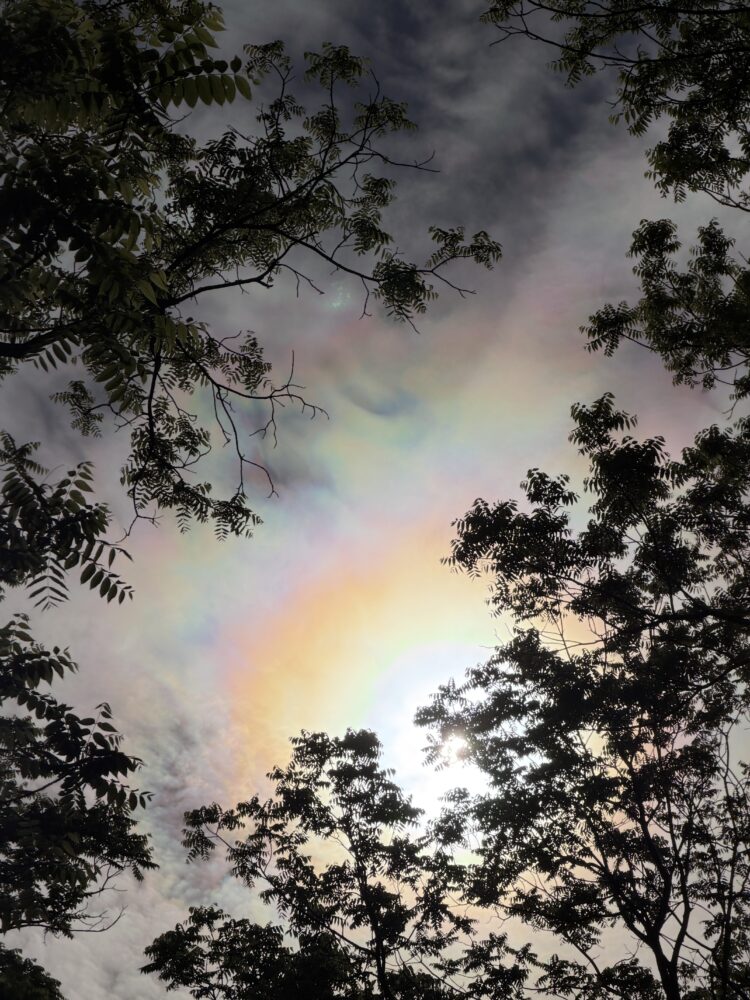
A corona spotted through the trees during a morning hike at Fort Harrison State Park, Indiana, US
Leave a Reply Cancel reply
You must be logged in to post a comment.
This site uses Akismet to reduce spam. Learn how your comment data is processed.
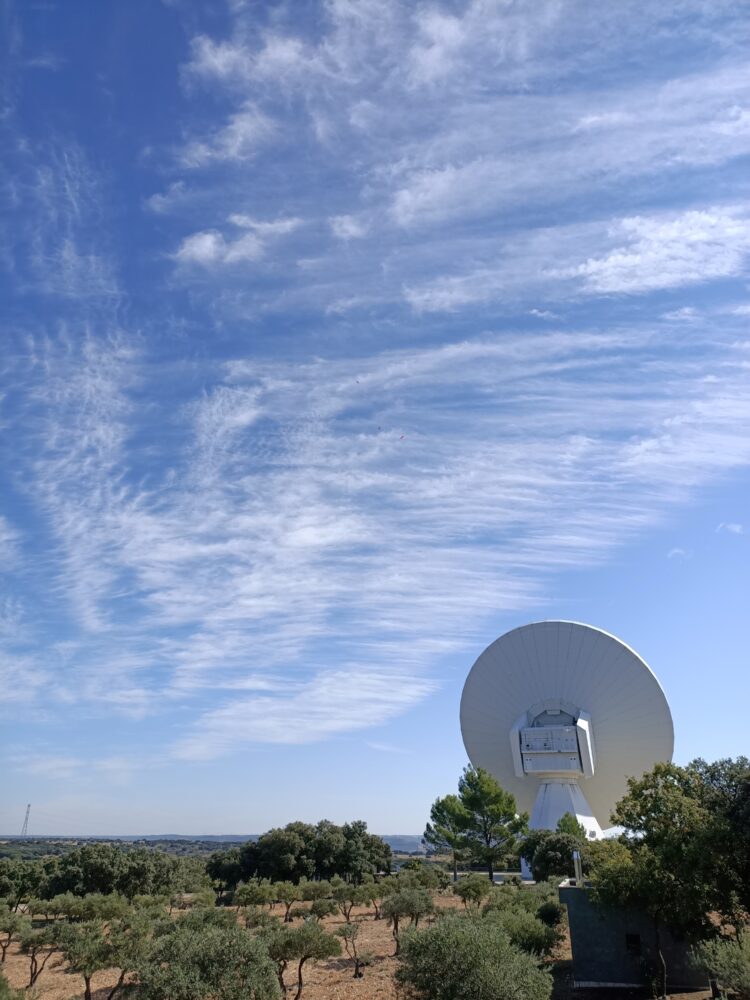
Cirrus fibratus spotted over Yebes, Spain
Leave a Reply Cancel reply
You must be logged in to post a comment.
This site uses Akismet to reduce spam. Learn how your comment data is processed.
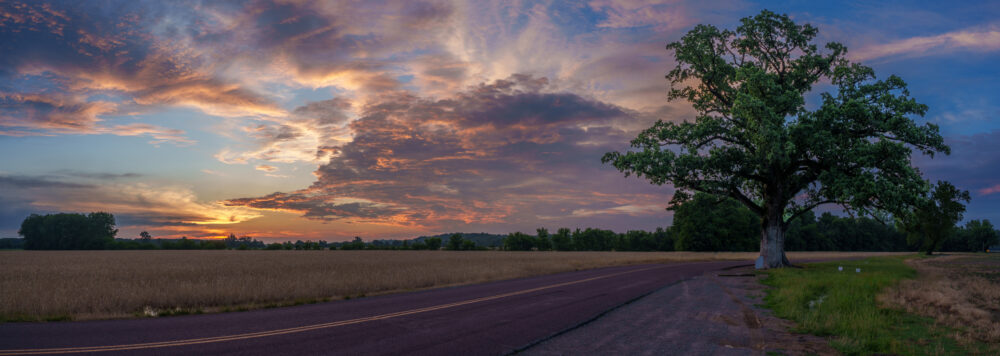
A picturesque sunset over The Big Tree near McBaine, Boone County, Missouri, US
Leave a Reply Cancel reply
You must be logged in to post a comment.
This site uses Akismet to reduce spam. Learn how your comment data is processed.
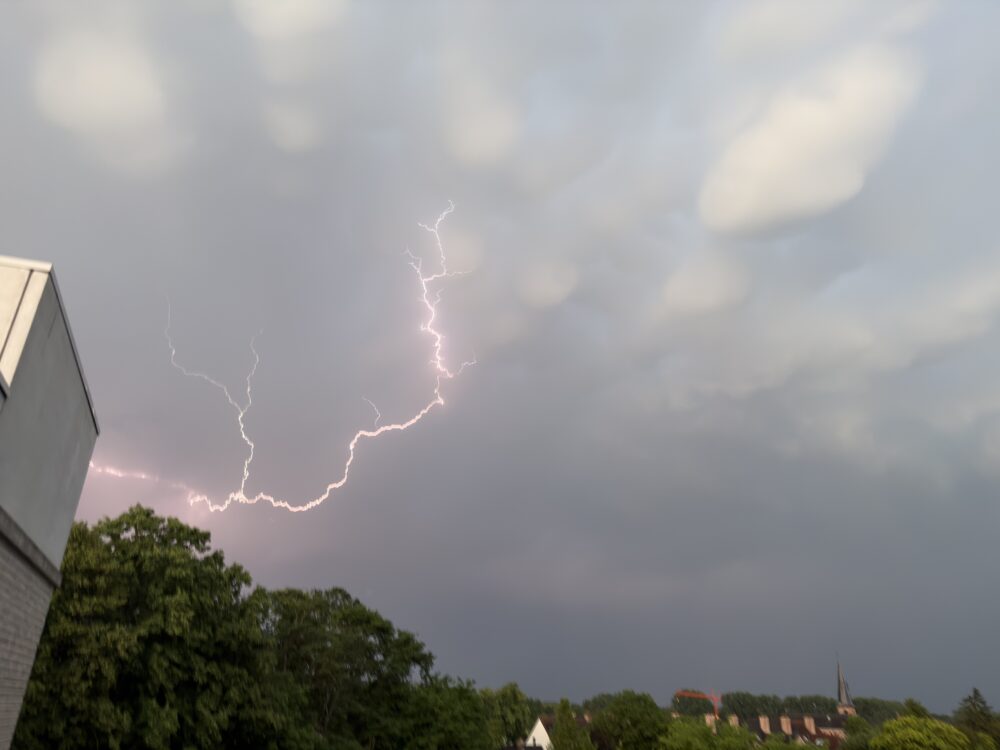
A lightning strike with Mammatus (Mamma) formations spotted over Antwerp, Belgium
Leave a Reply Cancel reply
You must be logged in to post a comment.
This site uses Akismet to reduce spam. Learn how your comment data is processed.
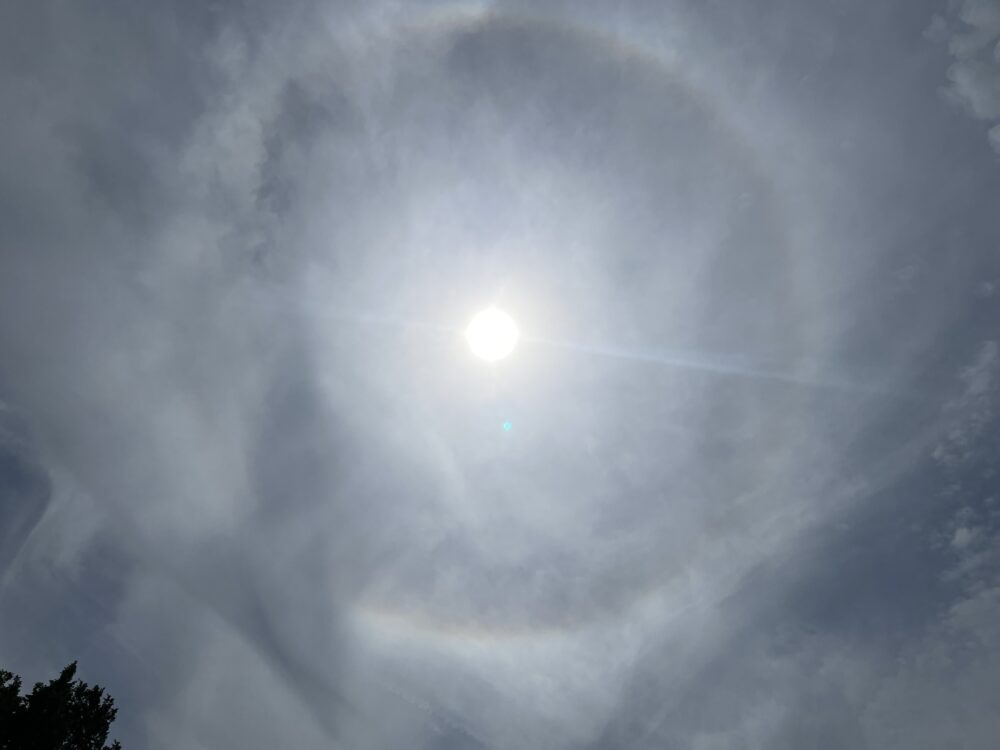
22-degree halo spotted over Rotterdam, The Netherlands
Leave a Reply Cancel reply
You must be logged in to post a comment.
This site uses Akismet to reduce spam. Learn how your comment data is processed.
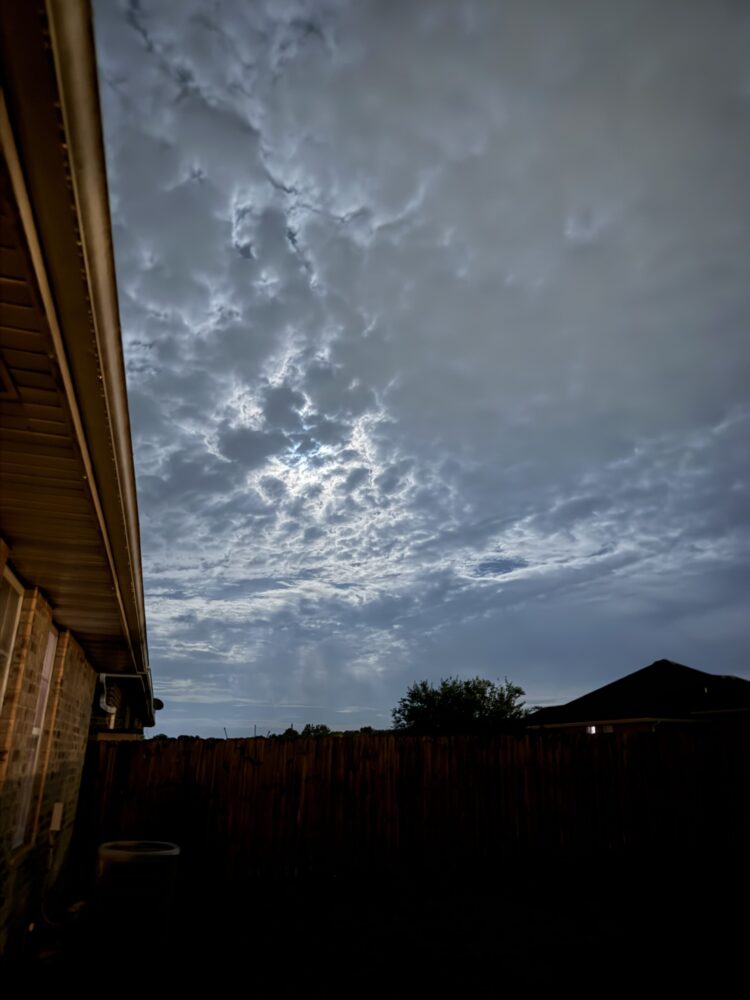
Stratocumulus spotted over Springfield, Missouri, US
Leave a Reply Cancel reply
You must be logged in to post a comment.
This site uses Akismet to reduce spam. Learn how your comment data is processed.
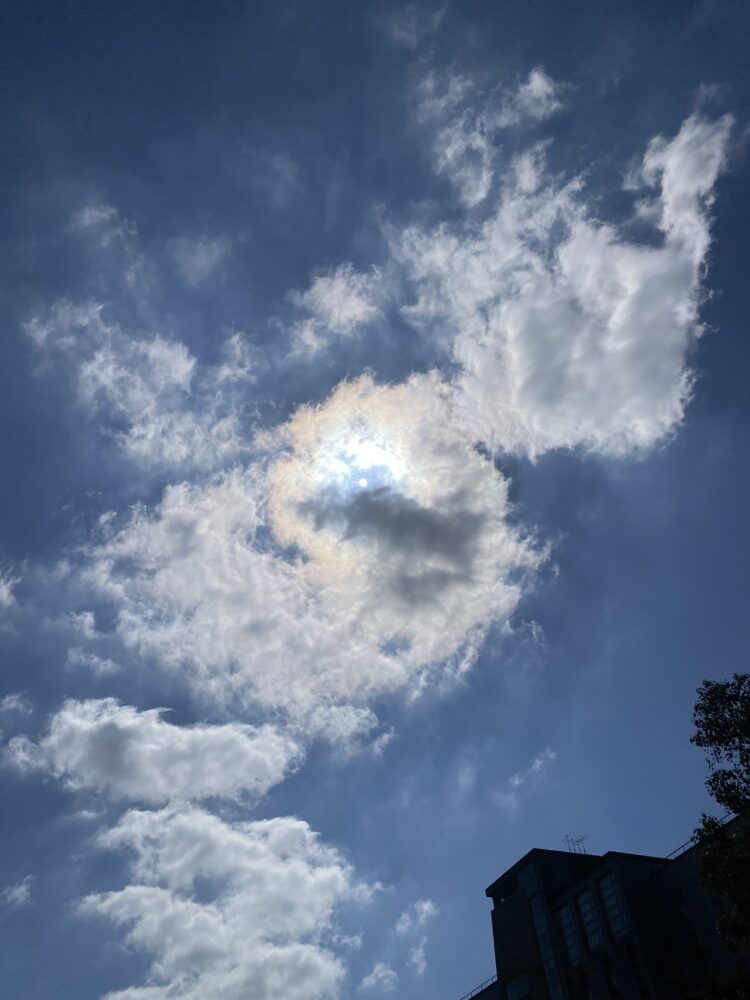
Iridescence spotted over New Taipei City, Taiwan
Leave a Reply Cancel reply
You must be logged in to post a comment.
This site uses Akismet to reduce spam. Learn how your comment data is processed.
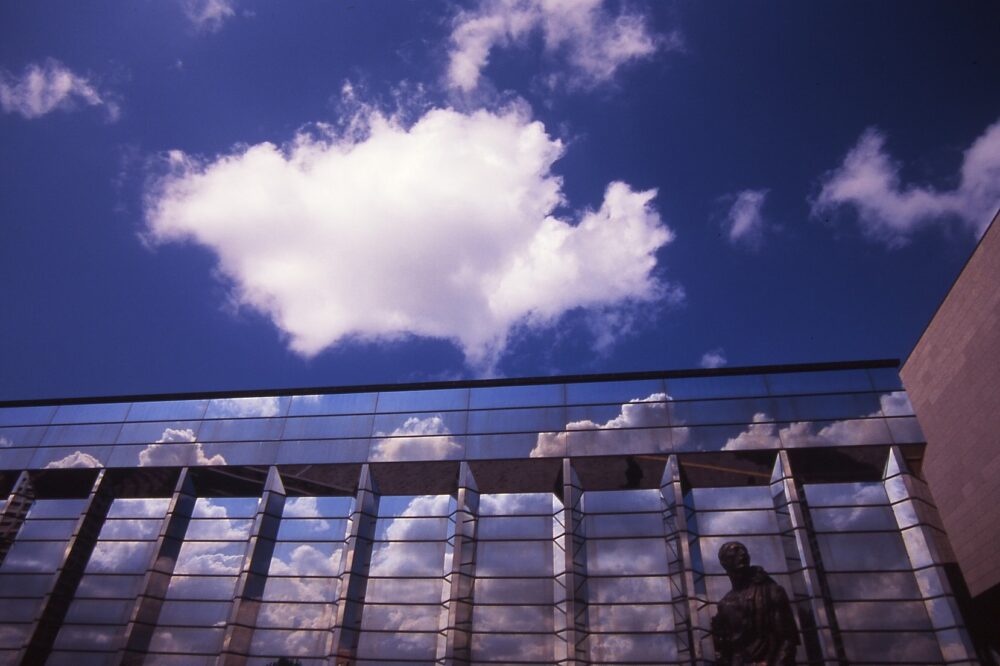
Reflections of Cumulus by way of the Fukuoka City Museum, Fukuoka City, Japan
Leave a Reply Cancel reply
You must be logged in to post a comment.
This site uses Akismet to reduce spam. Learn how your comment data is processed.
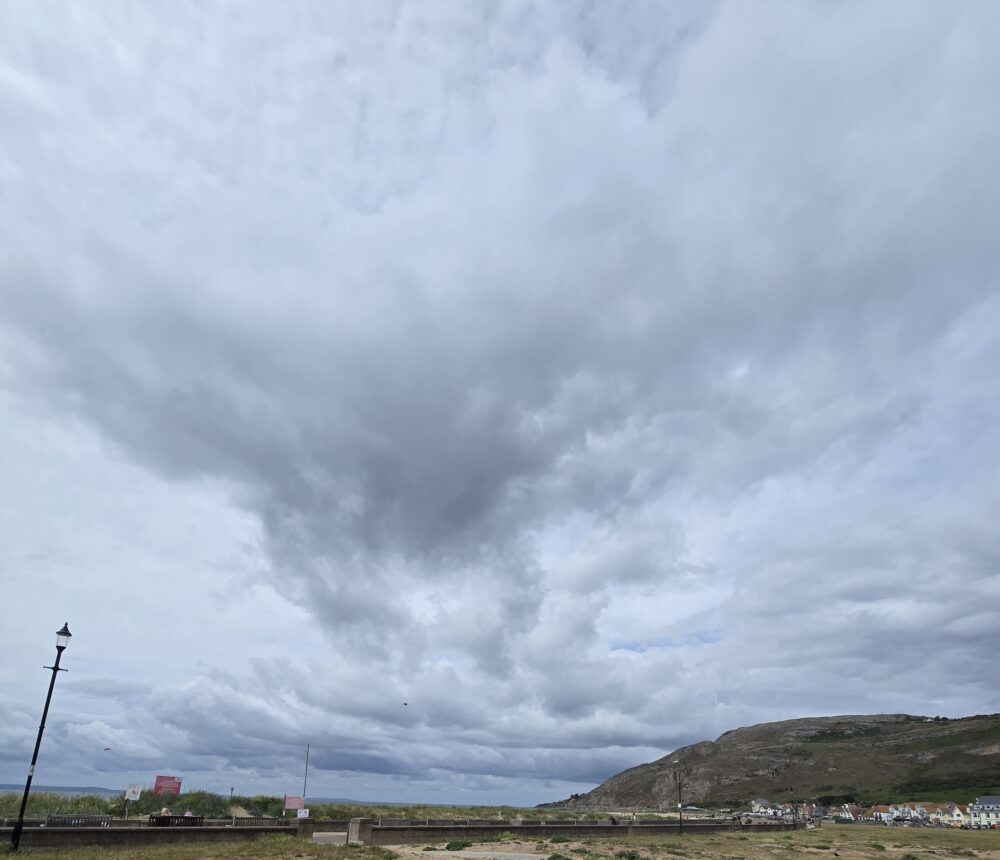
Stratocumulus spotted over Llandudno, North Wales
Leave a Reply Cancel reply
You must be logged in to post a comment.
This site uses Akismet to reduce spam. Learn how your comment data is processed.
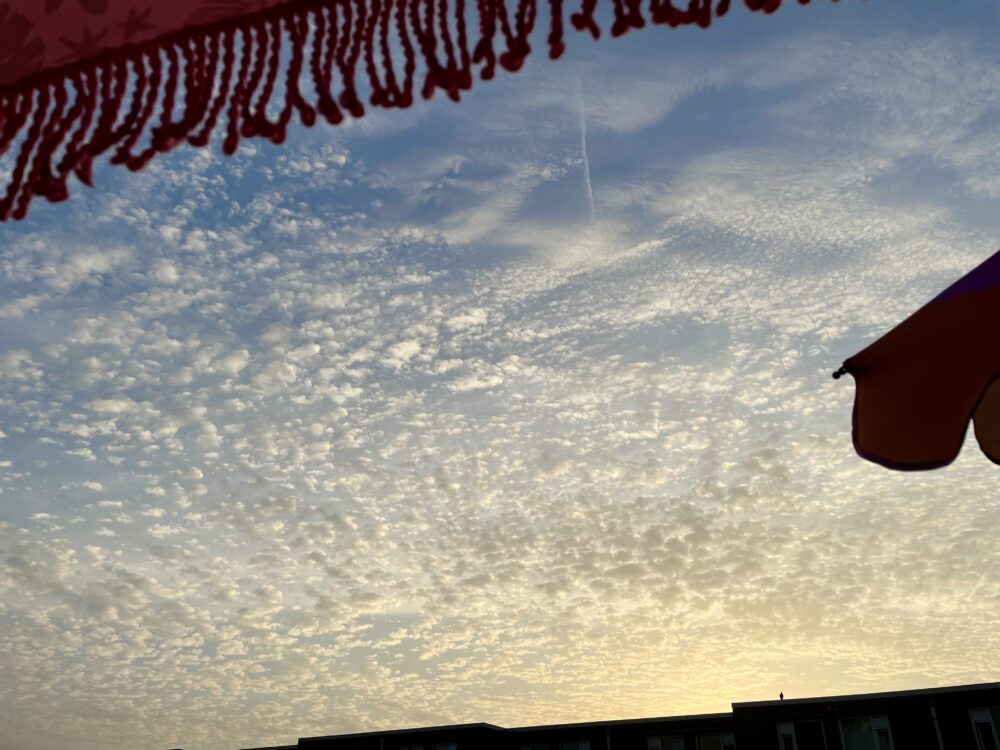
Altocumulus floccus spotted over Rotterdam, The Netherlands
Leave a Reply Cancel reply
You must be logged in to post a comment.
This site uses Akismet to reduce spam. Learn how your comment data is processed.


As an ornithologist I can certainly vouch for the silhouette as definitely not being a crow. The “wings”, in relation to the elongated heavy body, are far too short. The silhouette, given its size in relation to the cloud and ground ,would translate to a really huge, huge bird of Condor size.
Crows have large “flappy” wings and short bodies. They are big heavy birds (highly intelligent at that) so they maximise their precious energy when flying by proceeding dead straight with no wavering on their onward path. That is why the old English saying comes about:- “To fly straight as a crow”. Also, crows do not fly that high up – to do so would serve no purpose and cost them dearly for energy spent. They are not a bird of prey, they are carrion feeders and that means easy food pickings, especially where human beings are about and discarding easy-to-get food etc.
I am an aviation enthusiast of some 5o years plus. I know aircraft and helicopters like the back of my hand. This is definitely a helicopter. The silhouette is really high up in the sky. At that height, as said, the “crow” or any other bird would be of huge size.
Fascinating the correspondence this marvellous photo has provoked. Love it!
Laurence
I think the answer lies in the silhouette of the “aircraft” – it is a helicopter. The stubby sponsors / spoontoons for wheel coverings on the craft are not the large slender wings as evinced on a passenger etc aircraft. Maybe if it were hovering over the same spot for some time the powerful downdraft of the helicopter’s rotor blades may have caused this peculiar cloud formation to occur.
Laurence
The explanation for this formation is an aircraft circling in a holding pattern before coming in to land – probably, in this case, at Birmingham International Airport. When a plane flies through a layer of cloud made of water droplets that are supercooled, the turbulence from the wings can encourage the droplets to start to freeze into ice crystals. As they do, they grow large enough to descend as fallstreaks. The repeated pattern here is no doubt due to the nature of the wing vortices. Often, a gap is left in the layer of cloud where the droplets have frozen and fallen below. I guess if the layer is thick enough, this gap might not appear at first.
That’s my opinion on the image. Let me know, anyone else, if you think differently!
I think this is a job for “Dick Barton – Special Agent” to investigate and report back!
Laurence
Bazaar is the word for this one!! The bits of dark clouds are keeping in a circle. Thanks, James for taking this most unusual photo!
Highly peculiar! Never ever seen anything resembling this. Baffling stuff!
Thanks, James, for the sharing of this truly unusual phenomenon.
Laurence
Wow and wow and wow!!!
Lovely! Just great to see this.
Never seen before. Any explanation?
Fantastic picture! Is there an explanation for this strange phenomenon?