

Filter By:
Main Cloud Types
- Cumulus
- Stratus
- Stratocumulus
- Altocumulus
- Altostratus
- Cirrus
- Cirrocumulus
- Cirrostratus
- Nimbostratus
- Cumulonimbus
Other Clouds
- Arcus
- Asperitas
- Cap / banner clouds
- Capillatus
- Castellanus
- Cataractagenitus
- Cauda (Tail cloud)
- Cavum (Fallstreak hole)
- Congestus
- Contrail (homogenitus)
- Duplicatus
- Diamond dust
- Distrail
- Fibratus
- Flammagenitus (Pyrocumulus)
- Floccus
- Fluctus (Kelvin-Helmholtz)
- Fractus
- Homogenitus
- Horseshoe vortex
- Humilis
- Incus
- Intortus
- Lacunosus
- Lenticularis
- Mamma
- Morning Glory Cloud
- Murus (Wall cloud)
- Mediocris
- Nacreous
- Nebulosus
- Noctilucent
- Pannus
- Perlucidus
- Pileus
- Praecipitatio
- Radiatus
- Silvagenitus
- Spissatus
- Stratiformis
- 'Supercilium' (not official classification)
- Translucidus
- Tuba / Twister
- Uncinus
- Undulatus
- Velum
- Vertebratus
- Virga
- Volutus (Roll cloud)
Optical Effects
- 22° Halo
- 46° Halo
- Circumhorizon Arc
- Circumscribed halo
- Circumzenithal Arc
- Cloudbow / Fogbow
- Corona
- Crepuscular rays & shadows
- Diffuse arcs
- Green flash
- Glory
- Halos
- Helic arc
- Infralateral arc
- Iridescence
- Lower Sun Pillar
- Lower Tangent Arc
- Moonbow
- Moondogs
- Parhelic circle
- Parry antisolar arcs
- Parry arc
- Parry infralateral arc
- Parry supralateral arc
- Rainbow
- Sub parhelion
- Sub-sun
- Suncave parry arc
- Sun dog (Parhelion)
- Sun pillar
- Supernumerary bows
- Subparhelic circle
- Supralateral arc
- Upper tangent arc
- Wegener arc

An action-packed sky over Recanati, Italy.
One thought on “An action-packed sky over Recanati, Italy.”
Leave a Reply Cancel reply
You must be logged in to post a comment.
This site uses Akismet to reduce spam. Learn how your comment data is processed.
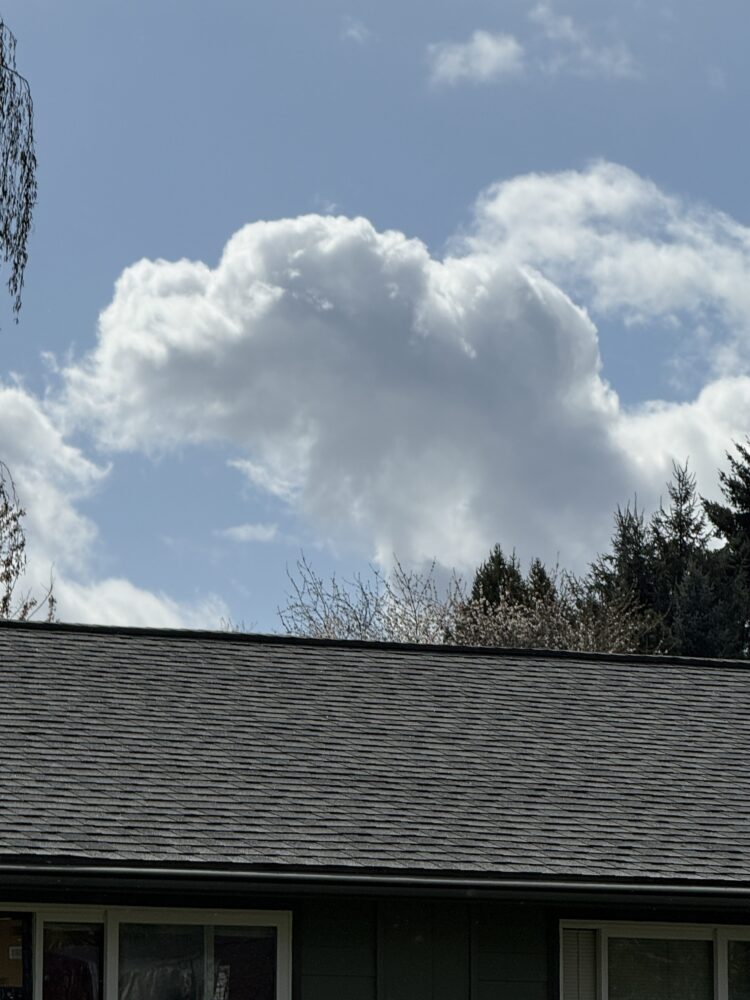
Cumulus that looks like a dog's head looking to the side, spotted over Vancouver, Washington, US
Leave a Reply Cancel reply
You must be logged in to post a comment.
This site uses Akismet to reduce spam. Learn how your comment data is processed.
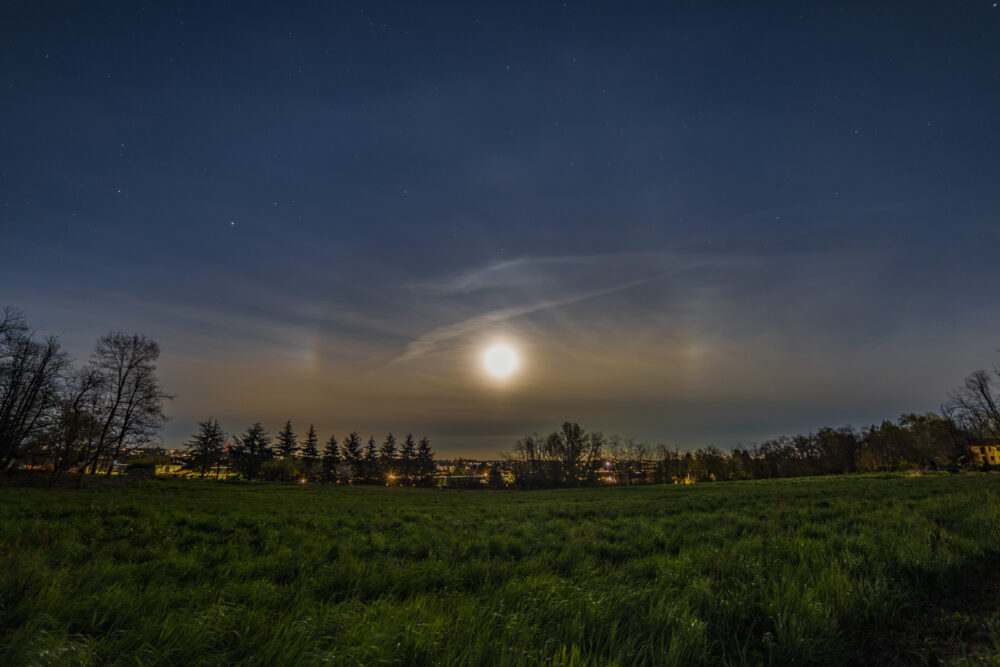
Moon Dogs, also known as paraselenae, a rare optical phenomenon, spotted along with a 22-degree lunar halo over Sumirago, Varese, Italy
Leave a Reply Cancel reply
You must be logged in to post a comment.
This site uses Akismet to reduce spam. Learn how your comment data is processed.
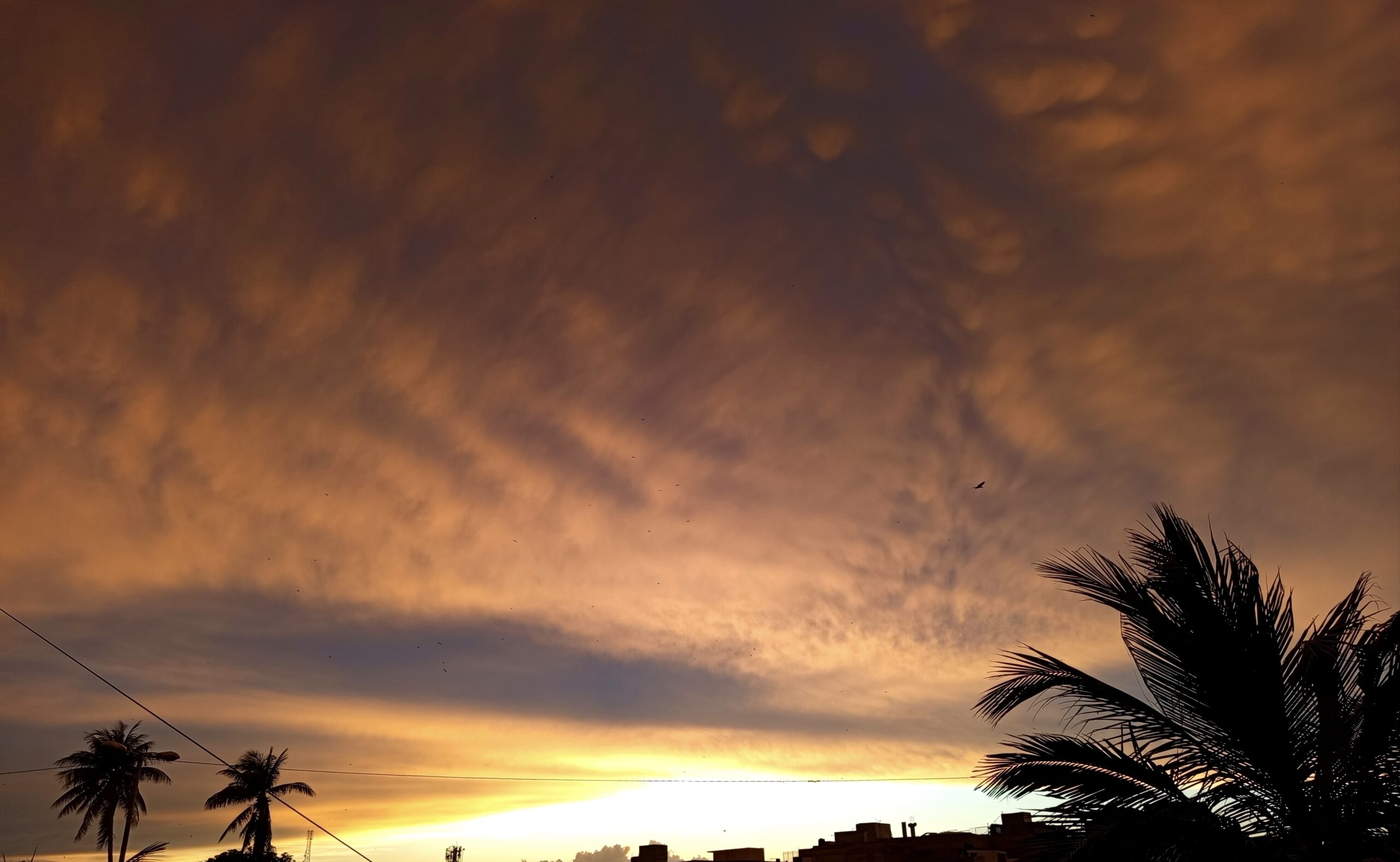
Sunset accompanied by mammatus (mamma) clouds, following heavy rain in Karachi, Pakistan
Leave a Reply Cancel reply
You must be logged in to post a comment.
This site uses Akismet to reduce spam. Learn how your comment data is processed.
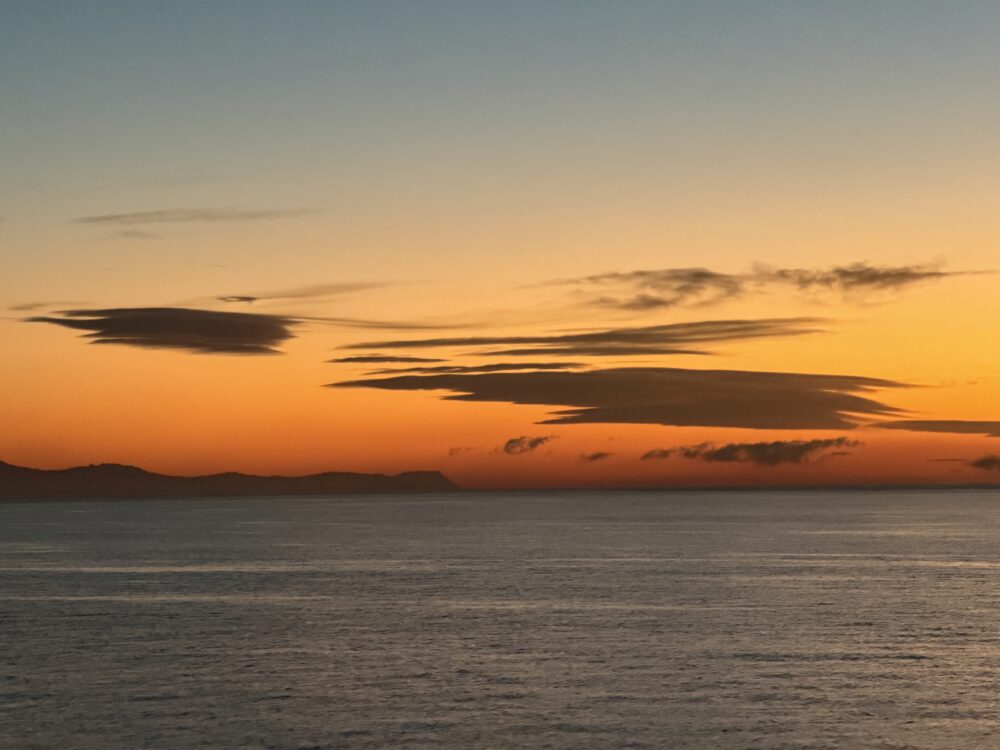
Altocumulus lenticularis amidst a golden sky near Tangier, Morocco
Leave a Reply Cancel reply
You must be logged in to post a comment.
This site uses Akismet to reduce spam. Learn how your comment data is processed.
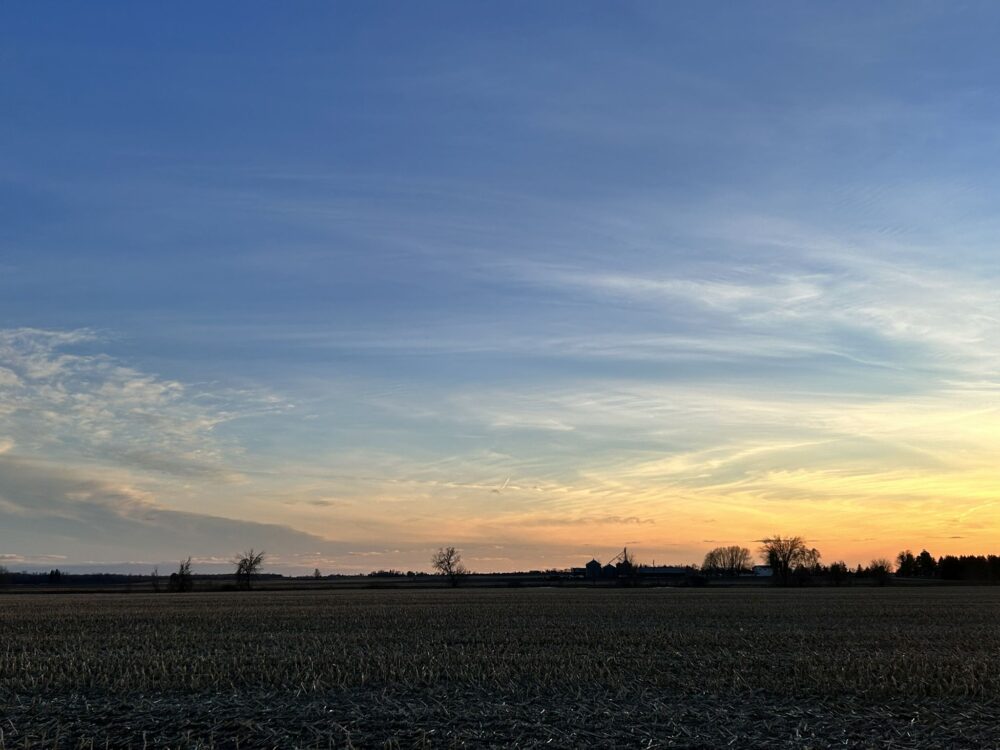
A colourful sunset over North Dundas Township, Ontario, Canada
Leave a Reply Cancel reply
You must be logged in to post a comment.
This site uses Akismet to reduce spam. Learn how your comment data is processed.
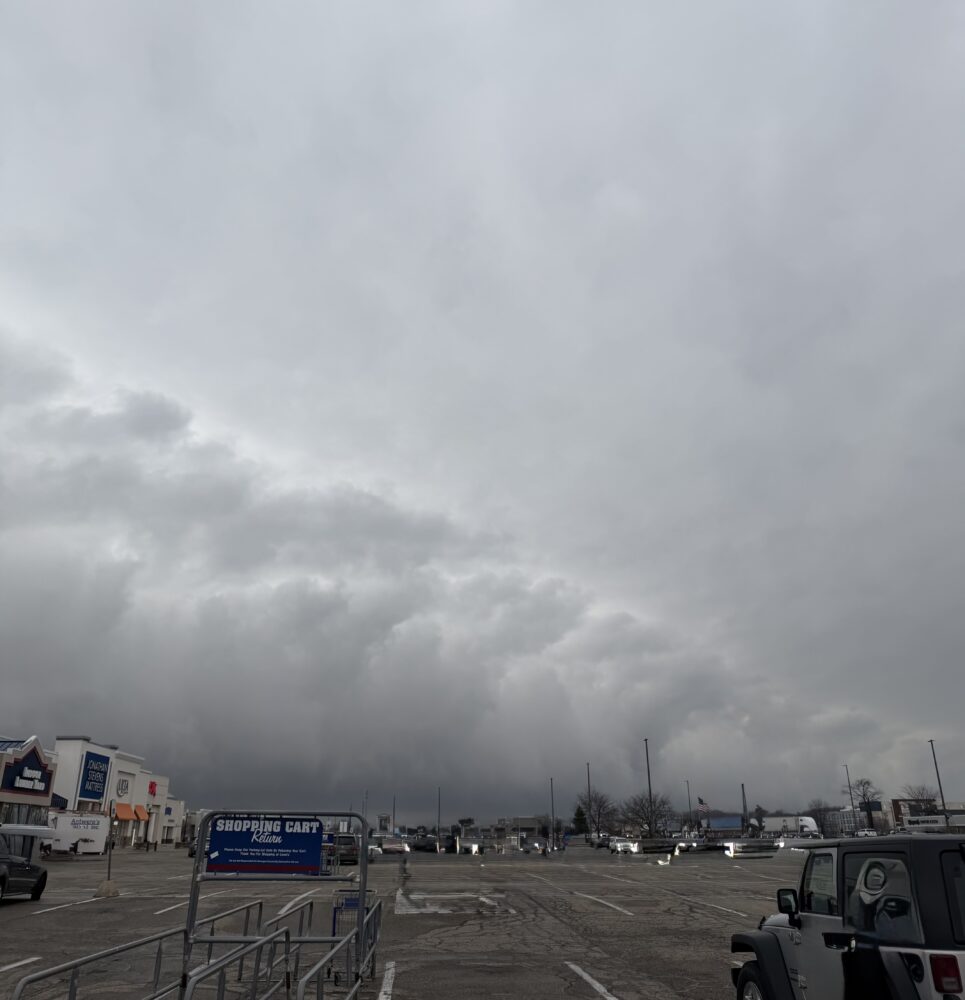
A cold front accompanied by a stormy sky near Holland, Michigan, US
Leave a Reply Cancel reply
You must be logged in to post a comment.
This site uses Akismet to reduce spam. Learn how your comment data is processed.
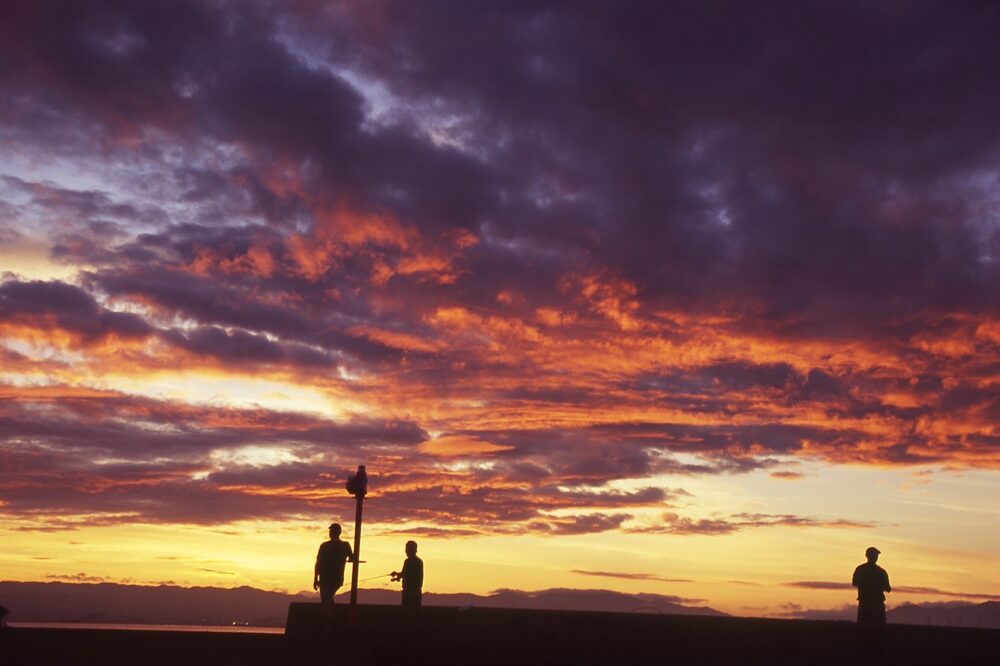
A mesmerizing sunrise for the fishermen at Marinatown Seaside Park, Fukuoka City, Japan
Leave a Reply Cancel reply
You must be logged in to post a comment.
This site uses Akismet to reduce spam. Learn how your comment data is processed.
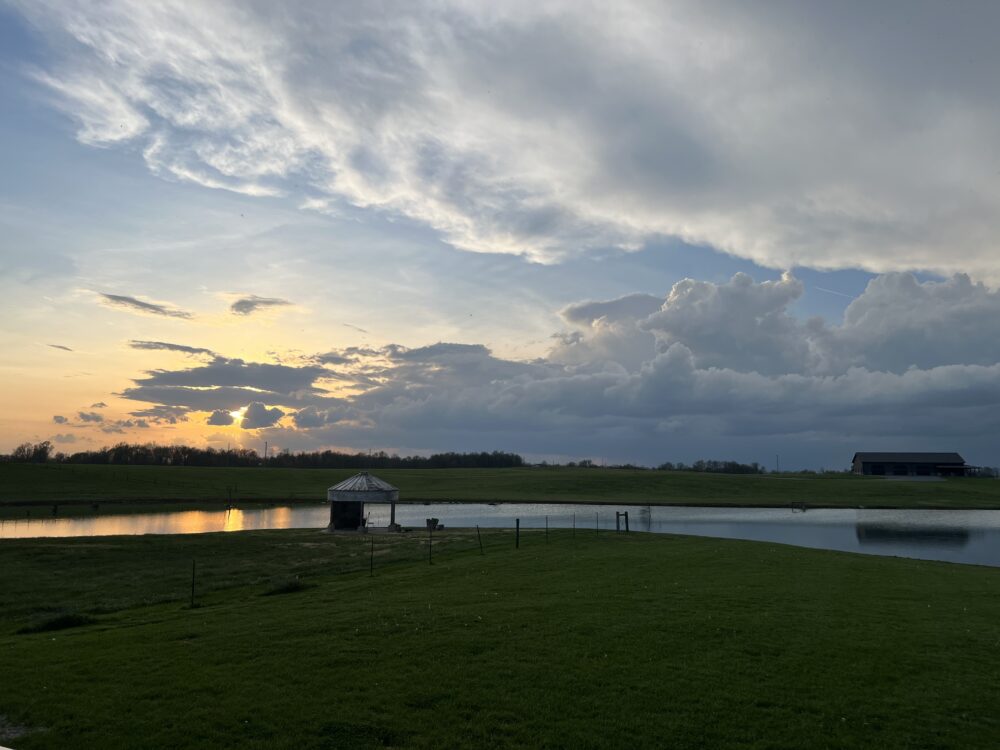
A sunset view captured by Haruko's son, Ben, while visiting Magnolia, Kentucky, US
Leave a Reply Cancel reply
You must be logged in to post a comment.
This site uses Akismet to reduce spam. Learn how your comment data is processed.
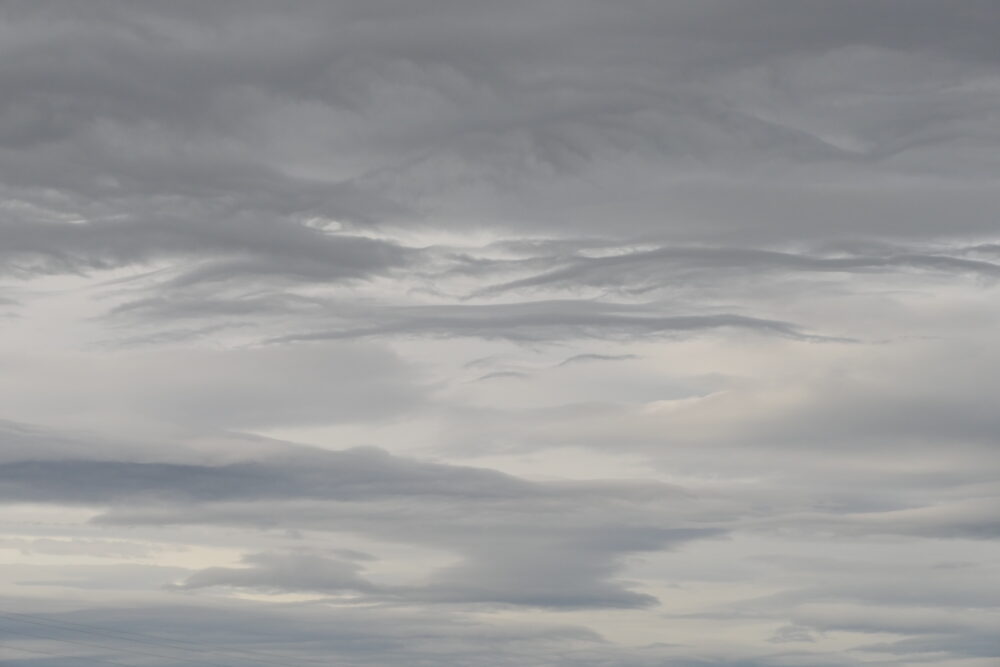
Signs of supercilium spotted briefly near Charlo, Montana, US
Leave a Reply Cancel reply
You must be logged in to post a comment.
This site uses Akismet to reduce spam. Learn how your comment data is processed.
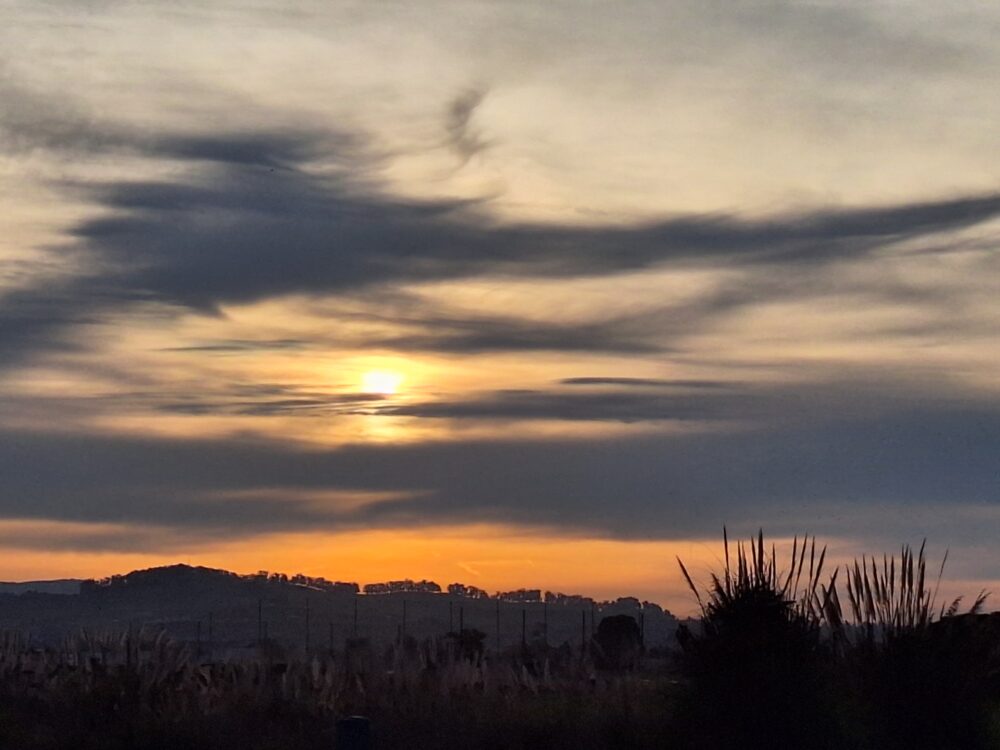
Sunrise over Oakland, California, US
Leave a Reply Cancel reply
You must be logged in to post a comment.
This site uses Akismet to reduce spam. Learn how your comment data is processed.
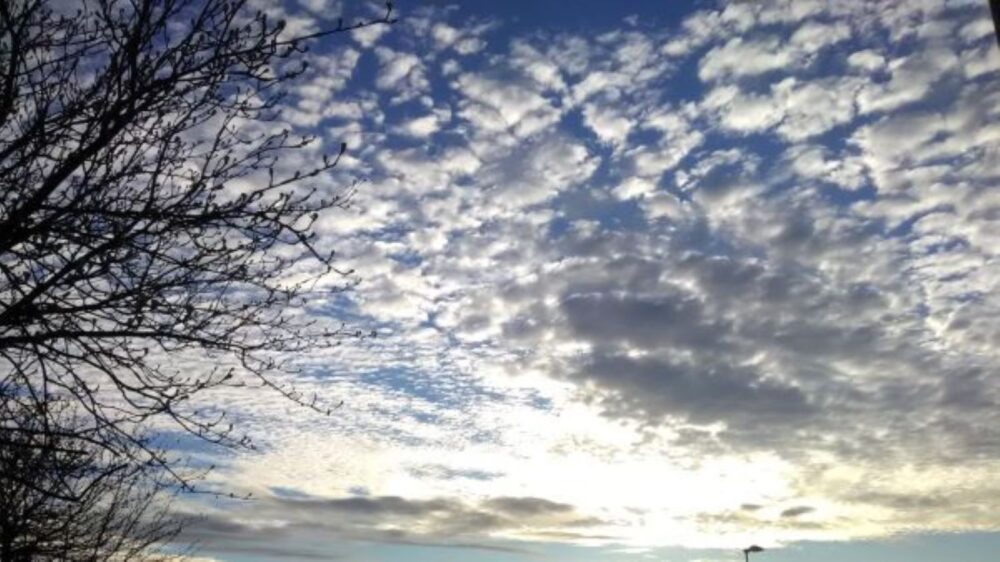
Altocumulus perlucidus spotted during sunrise over York, England
Leave a Reply Cancel reply
You must be logged in to post a comment.
This site uses Akismet to reduce spam. Learn how your comment data is processed.
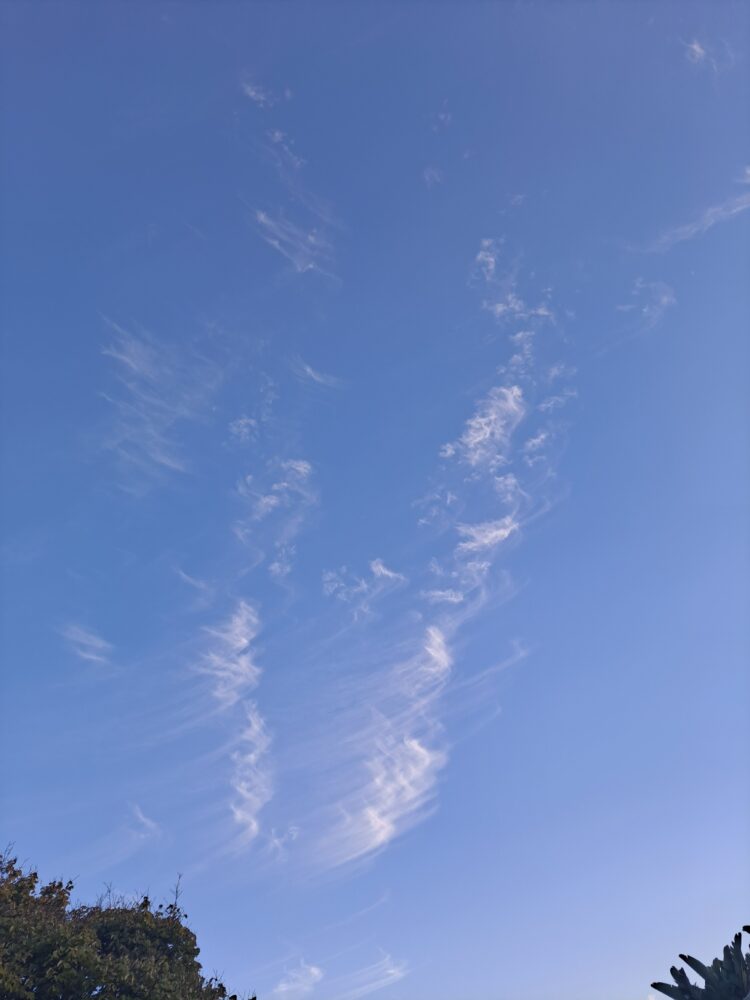
Cirrus uncinus spotted during the morning over Modbury Heights, Adelaide, South Australia, Australia
Leave a Reply Cancel reply
You must be logged in to post a comment.
This site uses Akismet to reduce spam. Learn how your comment data is processed.
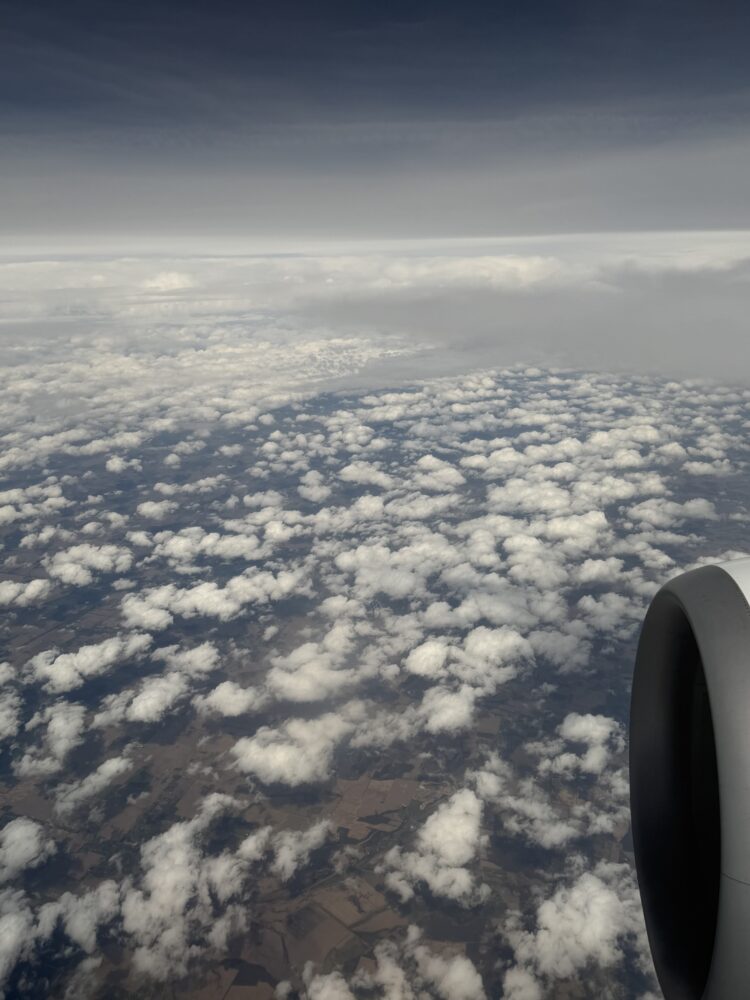
A view from high above the clouds, near Seattle, Washington, US
Leave a Reply Cancel reply
You must be logged in to post a comment.
This site uses Akismet to reduce spam. Learn how your comment data is processed.
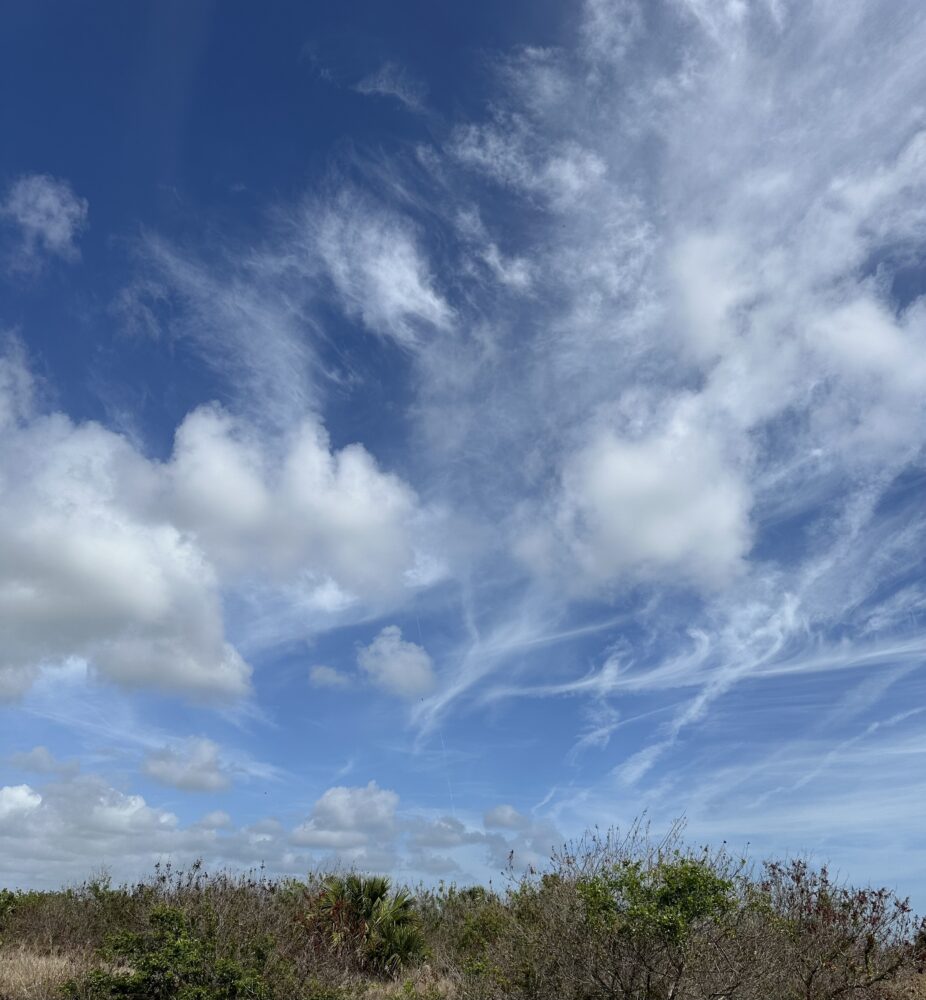
A variety of clouds spotted over Micco, Florida, US
Leave a Reply Cancel reply
You must be logged in to post a comment.
This site uses Akismet to reduce spam. Learn how your comment data is processed.
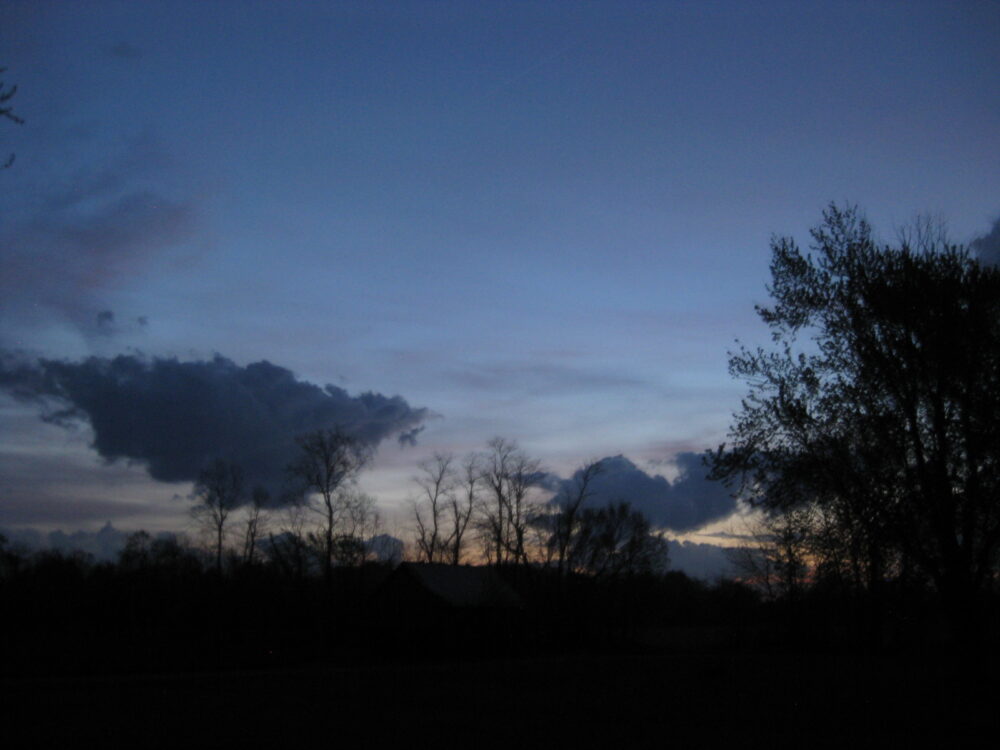
Sunrise over Fancy Farm, Kentucky, US
Leave a Reply Cancel reply
You must be logged in to post a comment.
This site uses Akismet to reduce spam. Learn how your comment data is processed.


Such a spectacular, dramatic picture, Marco!
Clouds look like mashed-potato or cauliflower in the sun, as they rise on the warm, mid-spring air-currents and eventually tower spectacularly and dramatically into the atmosphere from near-ground level right up into the stratosphere! Cumulonimbus clouds have definitely been my favourite type of clouds to take photos of for a number of years now, as they are always so huge spectacular and dramatic! Nature is at its best here, when the base of the clouds turn black, the lightning flashes and lights up the sky in a spectacular display, the wind starts to blow strongly and the rain starts pouring down in bucket-loads, sometimes flooding the streets and causes major destruction to trees and buildings!
Cumulonimbus clouds are never the same every time they appear in on a warm, spring or hot, summer when the weather fronts, heat and humidity create perfect conditions for them to form properly- bit like playing scrabble, which I play regularly(no game is ever the same!) This is what makes these clouds so interesting. It is always interesting making the most of it every time you see different ones on different days of the week and to photograph them whenever you can!
From Rebecca Hill, Canberra, Australia